


If you’re an Indian woman who dreads that time of the month, you’re not alone. Premenstrual Syndrome (PMS) affects up to 90% of menstruating women in India, bringing along a familiar parade of unwelcome guests: cramps that make you curl up in bed, bloating that ruins your favourite outfit, mood swings that confuse even you, and cravings that demand immediate attention.
But here’s what most women don’t realise: your everyday habits might be secretly amplifying these symptoms — making your PMS feel far more intense than it needs to be.
From skipping breakfast to survive Mumbai’s morning rush, to reaching for that extra cup of chai, to binge-watching Netflix until 2 AM — these seemingly harmless routines can wreak havoc on your hormonal balance. The good news? Small, strategic changes can dramatically reduce your PMS severity.
In this comprehensive guide, we’ll uncover 10 everyday habits that worsen PMS symptoms and give you actionable, Indian-context solutions that actually fit your lifestyle. Whether you’re a working professional in Bangalore, a college student in Delhi, or a homemaker in Kolkata, these tips are designed for your reality.
1. Skipping Meals (Especially Breakfast)

The Problem
In the rush of Indian mornings — getting kids ready, beating traffic, or catching the metro — skipping meals has become a norm. But when you skip meals, your blood sugar levels fluctuate wildly, which directly worsens PMS symptoms like irritability, fatigue, headaches, and intense food cravings.
During the luteal phase (the week before your period), your body is already working overtime to manage hormonal shifts. Adding blood sugar crashes to the mix is like pouring fuel on a fire. Research shows that irregular eating patterns can increase cortisol (stress hormone) levels, which further disrupts your menstrual cycle.
The Indian Fix
- Never skip breakfast. Even 10 minutes is enough for a quick meal.
- Eat protein-rich Indian breakfasts: Moong dal chilla, boiled eggs, idli with sambar, or a bowl of poha with peanuts.
- Carry healthy snacks: Roasted makhana, a handful of almonds, or a small bowl of sprouts to stabilise blood sugar between meals.
- Eat every 3-4 hours to maintain steady energy and mood.
Pro Tip: Keep a small box of roasted chana or fox nuts in your bag. They’re perfect for that 4 PM energy crash and far better than reaching for biscuits.
2. Loading Up on Salty Snacks & Processed Foods
The Problem
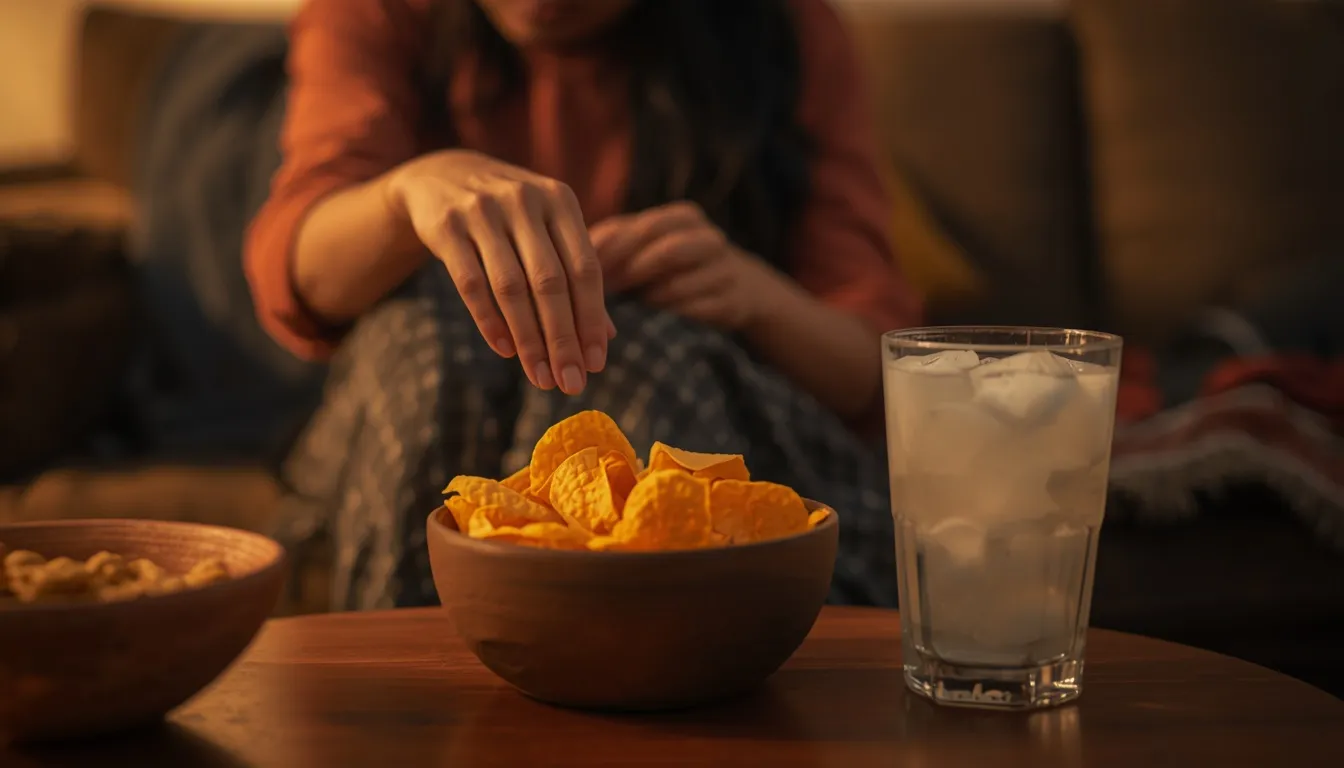
That packet of chips, those salty namkeen mixtures, or that quick Maggi fix before your period might feel comforting, but they’re silently sabotaging you. Excess sodium increases water retention, leading to bloating, swollen feet, breast tenderness, and that uncomfortable “puffy” feeling.
Processed foods are equally guilty. They’re loaded with refined sugar, unhealthy fats, and preservatives that promote inflammation in your body. Inflammation is directly linked to more severe PMS symptoms, including worse cramps, deeper mood swings, and increased fatigue.
The Indian Fix
- Satisfy salty cravings smartly: Opt for lightly salted roasted peanuts, homemade popcorn (not the microwave kind), or a small portion of bhel without the extra sev.
- Balance with potassium-rich foods: Bananas, coconut water, sweet potatoes, and spinach help counteract sodium’s bloating effects.
- Swap processed snacks for whole foods: Fresh fruits, homemade chikkis (with jaggery, not sugar), or a bowl of curd with flaxseed.
- Cook at home more often: Even simple dal-chawal with a side of vegetables is infinitely better than packaged meals.
Did you know? Indian street food like pani puri and bhel puri can be surprisingly high in sodium. Limit these 3-5 days before your period.
3. Drinking Too Much Caffeine & Chai

The Problem
For many Indian women, chai is non-negotiable. But here’s the reality: excess caffeine increases anxiety, restlessness, breast tenderness, and interferes with sleep — all of which are already problematic during PMS. Multiple cups of strong chai or coffee can spike your cortisol levels, making mood swings more volatile and sleep more elusive.
Caffeine is also a diuretic, which means it can contribute to dehydration — and dehydration worsens headaches and bloating during PMS.
The Indian Fix
- Limit caffeine to 1 cup per day during the week before your period.
- Switch to herbal alternatives: Try chamomile tea, ginger tea, or tulsi tea — all of which have calming, anti-inflammatory properties.
- If you must have chai: Make it lighter (less tea leaves), reduce sugar, and have it before 2 PM to avoid sleep disruption.
- Increase water intake: Aim for 8-10 glasses daily. Add lemon, cucumber, or mint for flavour.
Try This: A warm cup of turmeric milk (haldi doodh) before bed. Turmeric’s anti-inflammatory properties can help reduce cramps, and the warmth promotes better sleep.
4. Sleeping Less Than 7 Hours

The Problem
In India’s fast-paced lifestyle — whether it’s late work calls, scrolling Instagram, or finishing household chores — sleep often takes a backseat. But sleep deprivation is one of the biggest PMS amplifiers.
When you sleep less than 7 hours, your body produces more cortisol and less serotonin, which means: worse mood swings, deeper fatigue, stronger cravings (especially for sugar and carbs), and reduced pain tolerance. Your body is already under hormonal stress before your period — poor sleep adds an unnecessary layer of suffering.
The Indian Fix
- Aim for 7-9 hours of quality sleep every night, especially during the week before your period.
- Create a bedtime routine: Dim lights by 9 PM, avoid screens 30 minutes before bed, and try a short meditation or deep breathing exercise.
- Use traditional sleep aids: A warm glass of milk with nutmeg, or a few drops of lavender oil on your pillow.
- Keep your room cool and dark: Even in Indian summers, use a light cotton sheet and ensure the room is well-ventilated.
Pro Tip: Try the 4-7-8 breathing technique before bed. Inhale for 4 seconds, hold for 7, exhale for 8. It calms your nervous system and promotes deeper sleep.
5. Living on Processed & Junk Foods
The Problem
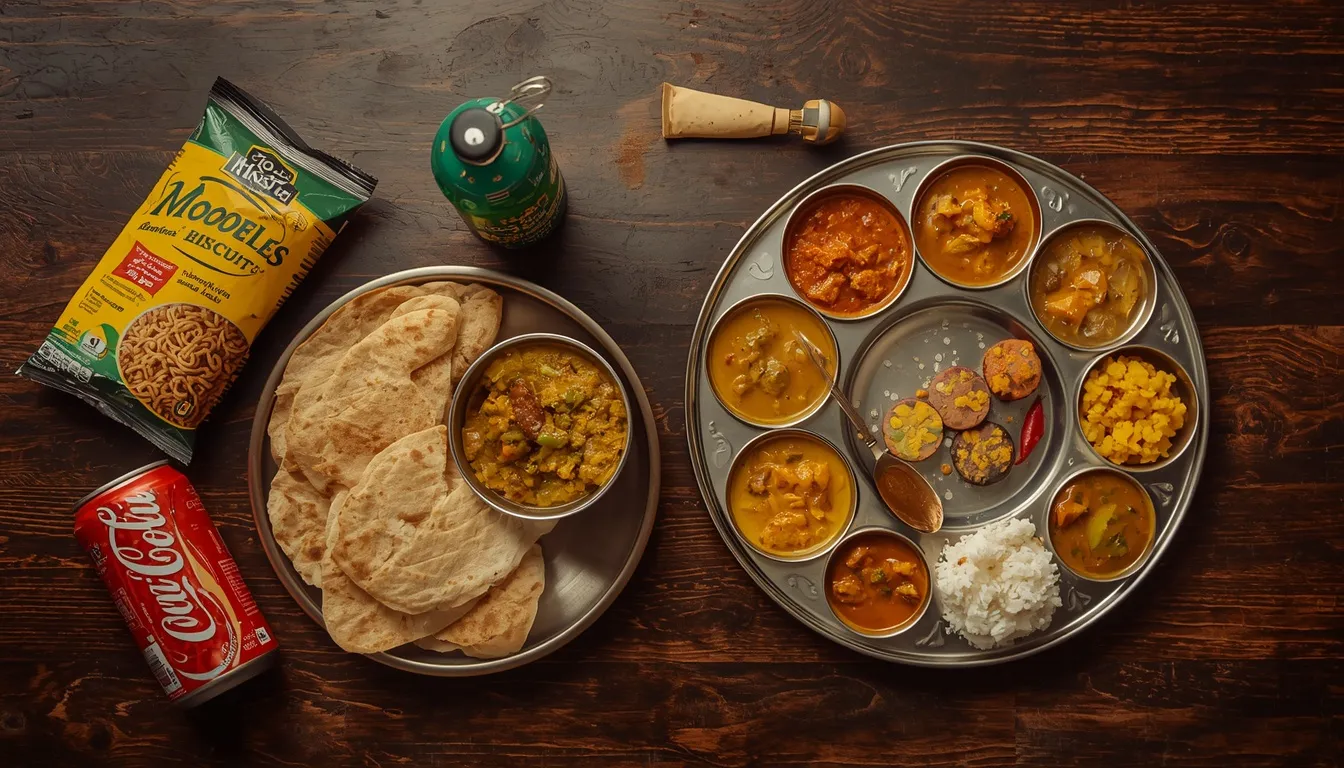
India’s love affair with processed foods — from instant noodles to packaged biscuits to deep-fried samosas — comes at a cost. These foods are high in trans fats, refined sugar, and sodium, all of which promote inflammation and leave you feeling sluggish.
During PMS, your body is already more sensitive to inflammation. Adding inflammatory foods means: more severe cramps, worse bloating, energy crashes, and stronger mood disturbances. The sugar spikes and crashes also create a vicious cycle of cravings and irritability.
The Indian Fix
- Embrace whole, traditional Indian foods: Fresh vegetables, whole grains (bajra, jowar, ragi), lentils, and lean proteins.
- Include anti-inflammatory spices: Turmeric, ginger, cinnamon, and black pepper in your daily cooking.
- Choose complex carbs over refined ones: Brown rice instead of white, whole wheat roti instead of maida, and oats instead of instant cereals.
- Meal prep on weekends: Cook larger batches of dal, sabzi, and rice to avoid the “what’s for dinner” trap that leads to ordering in.
Power Meal for PMS: A bowl of khichdi with ghee, a side of curd, and a small portion of sautéed spinach. Simple, nourishing, and anti-inflammatory.
6. Not Moving Your Body at All
The Problem
When PMS hits, the couch feels like the only acceptable destination. But complete inactivity actually worsens symptoms. Regular movement improves blood circulation, releases endorphins (your body’s natural painkillers), and helps reduce cramps, bloating, and mood swings.
Sedentary behaviour also slows digestion, which can worsen bloating and constipation — common PMS complaints. Plus, lack of movement means less serotonin production, which directly impacts your mood.
The Indian Fix
- Aim for 20-30 minutes of moderate activity most days of the week, even during PMS.
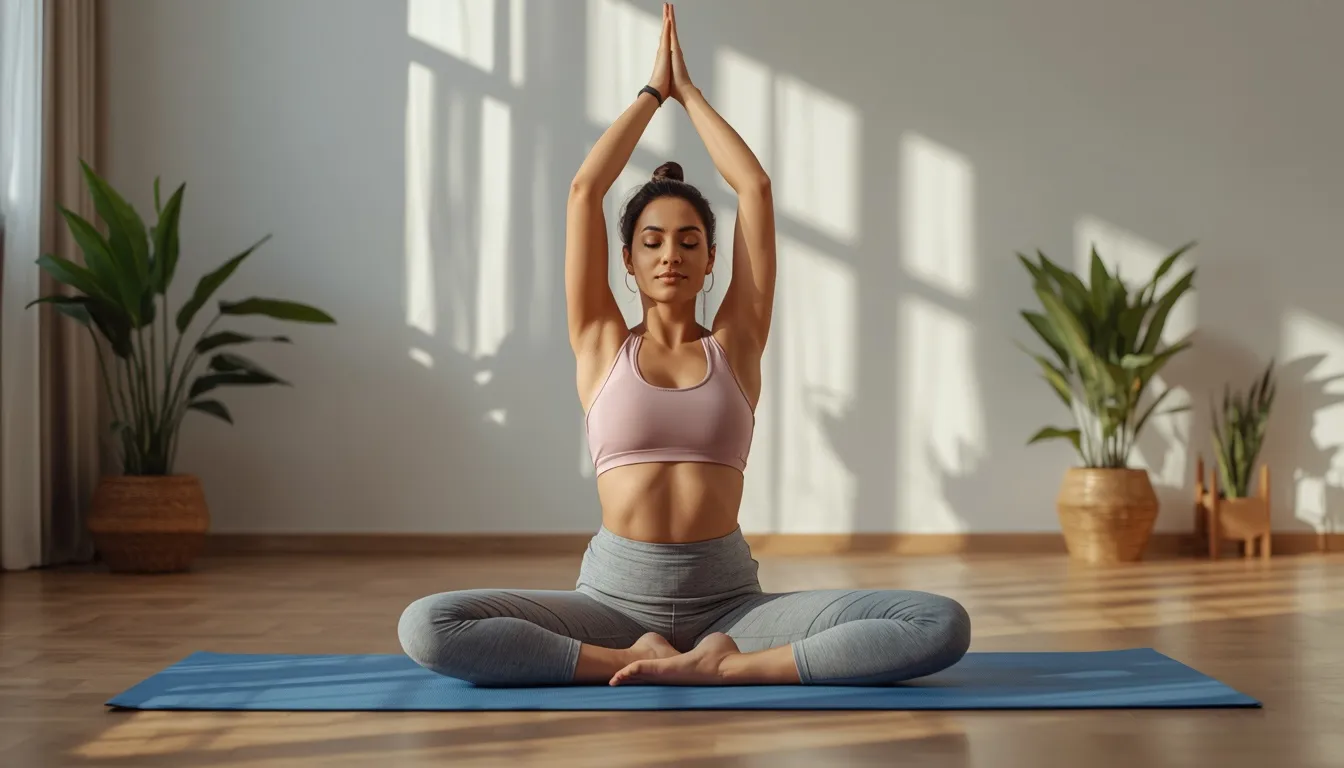
- Best exercises for PMS: Brisk walking, yoga (especially poses like child’s pose, cat-cow, and supine twists), light swimming, or cycling.
- Try Surya Namaskar: Even 5-10 rounds in the morning can boost circulation and mood.
- Stretch before bed: Gentle hip openers and lower back stretches can relieve tension and improve sleep quality.
Remember: You don’t need to run a marathon. A 20-minute walk in your neighbourhood park or 15 minutes of yoga at home is enough to make a noticeable difference.
7. Staying Constantly Stressed
The Problem
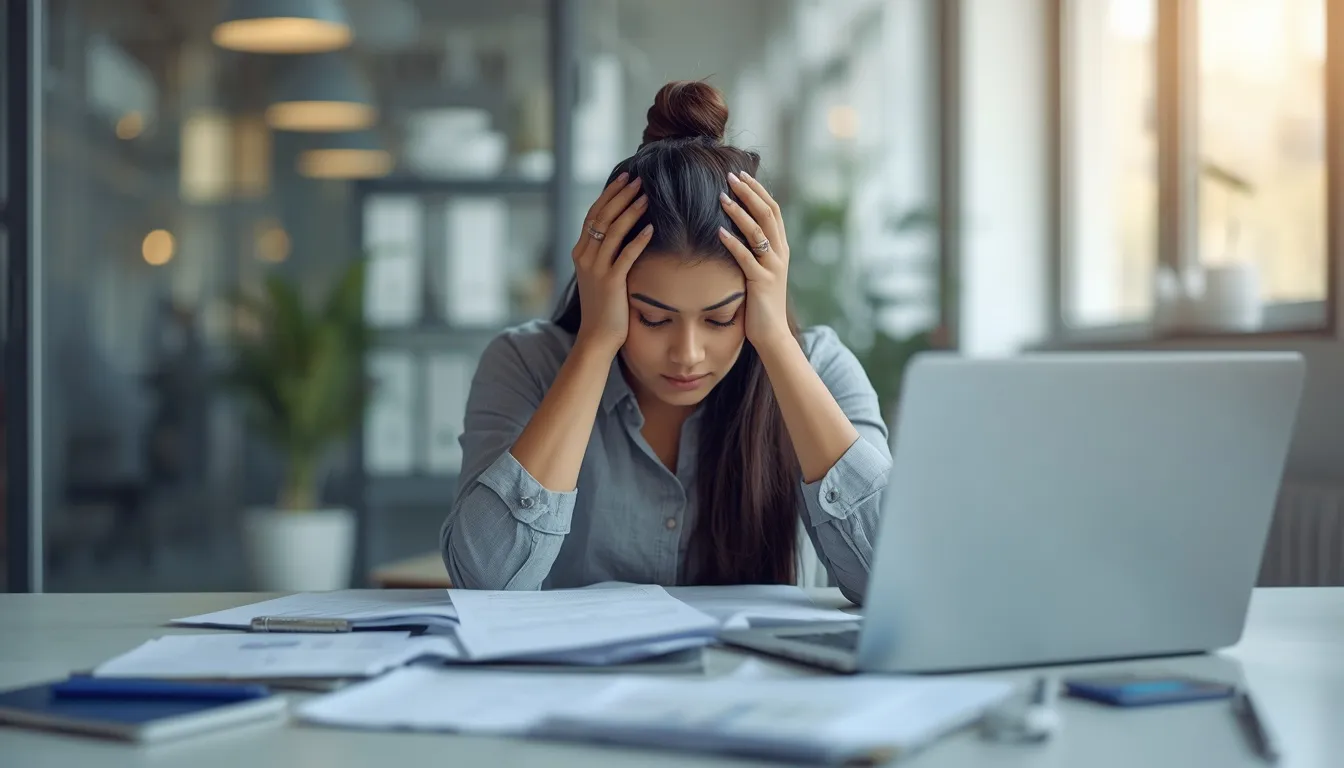
Stress is practically a badge of honour in modern India — juggling work, family, social obligations, and personal expectations. But chronic stress elevates cortisol levels, which directly interferes with your body’s hormonal balance and makes PMS symptoms significantly more severe.
High cortisol means: more anxiety, deeper irritability, poorer sleep, worse cramps, and stronger cravings. It’s a domino effect that turns manageable PMS into a monthly nightmare.
The Indian Fix
- Practice daily stress management: Even 10 minutes of meditation, deep breathing, or journaling can lower cortisol.
- Try Pranayama: Techniques like Anulom Vilom (alternate nostril breathing) and Bhramari (humming bee breath) are incredibly effective for calming the mind.
- Spend time in nature: A walk in a nearby park, tending to plants, or simply sitting in your balcony with morning sunlight.
- Set boundaries: Learn to say no to non-essential commitments, especially during the week before your period.
- Connect with loved ones: Talking to a friend or family member can be a powerful stress reliever.
Quick Stress Buster: When you feel overwhelmed, place one hand on your heart and one on your belly. Take 5 deep breaths, feeling your belly rise and fall. This activates your parasympathetic nervous system and calms you within minutes.
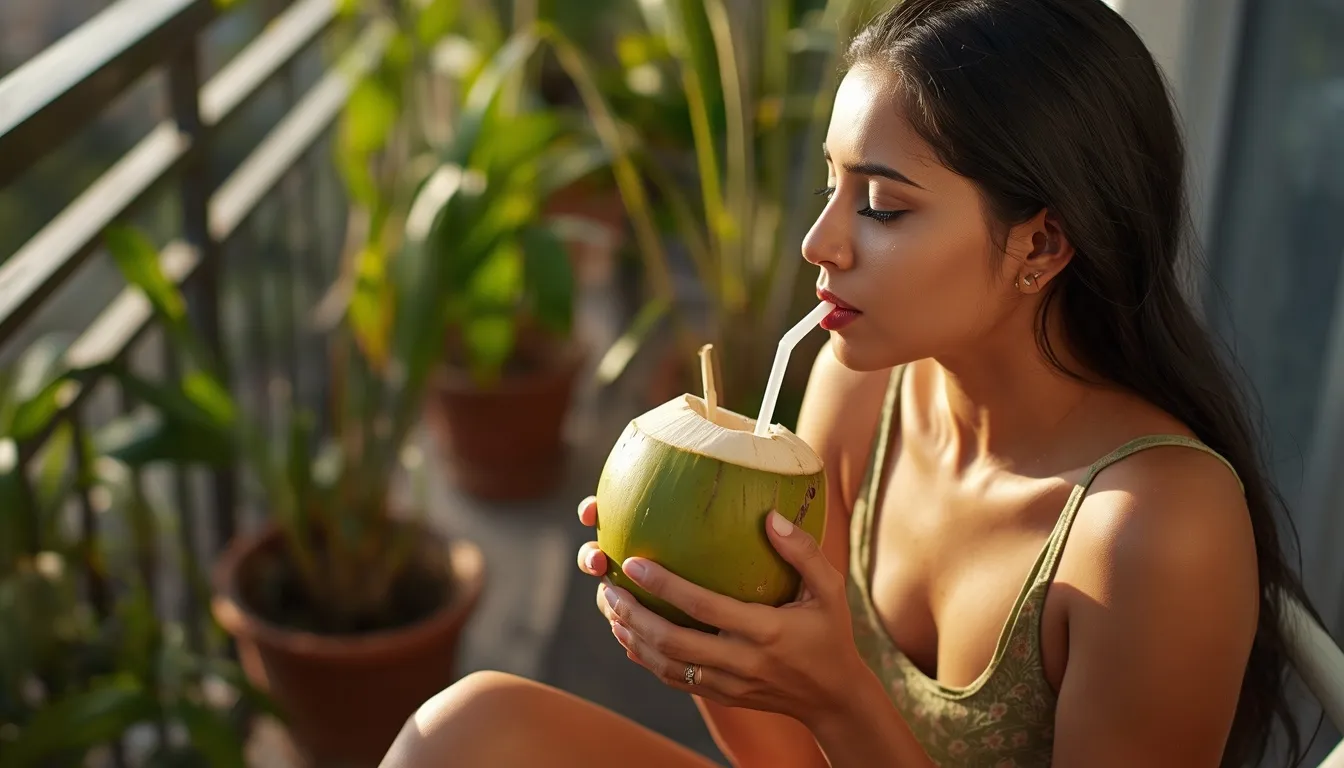
8. Forgetting to Stay Hydrated
The Problem
Many Indian women don’t drink enough water — especially during busy workdays or when focused on household tasks. But dehydration worsens almost every PMS symptom: headaches, constipation, fatigue, bloating, and even mood disturbances.
Ironically, not drinking enough water can make your body retain more fluid, leading to worse bloating. Proper hydration supports digestion, circulation, and your body’s natural detoxification processes — all crucial during PMS.
The Indian Fix
- Drink 8-10 glasses of water daily. More if you’re exercising or in a hot climate.
- Keep a water bottle at your desk, in your bag, and by your bed.
- Infuse your water: Add lemon slices, cucumber, mint leaves, or a pinch of rock salt (sendha namak) for taste and electrolytes.
- Include hydrating foods: Cucumber, watermelon, coconut water, buttermilk (chaas), and clear soups.
- Limit sugary drinks: Avoid packaged juices, sodas, and excessive chai/coffee.
Pro Tip: Start your day with a glass of warm water with lemon. It kickstarts digestion and hydration after 7-8 hours of sleep.
9. Drinking Alcohol Frequently

The Problem
While alcohol might seem like a way to unwind after a long day, it can disrupt sleep quality, contribute to dehydration, and worsen mood swings before your period. Alcohol affects your neurotransmitters (including serotonin and GABA), which can make emotional PMS symptoms more intense.
It also interferes with your liver’s ability to process hormones efficiently, potentially worsening hormonal imbalances. The morning-after fatigue and headaches are just bonus discomfort on top of existing PMS symptoms.
The Indian Fix
- Reduce or avoid alcohol during the week before your period.
- If you do drink: Limit to one standard drink, drink water alongside it, and avoid drinking close to bedtime.
- Find alternative ways to relax: A warm bath, reading, listening to music, or a calming herbal tea.
- Socialise without alcohol: Suggest coffee meetups, walks, or movie nights instead of bar outings during PMS week.
Remember: Even moderate alcohol consumption can affect sleep architecture. During PMS, when sleep is already compromised, this is an important consideration.
10. Ignoring Persistent or Severe Symptoms

The Problem
There’s a dangerous cultural narrative in India that “period pain is normal” and women should just “tough it out.” While mild PMS is common, severe or persistent symptoms that disrupt your daily life are NOT normal and should never be ignored.
Intense mood changes, debilitating cramps, extreme fatigue, or overwhelming emotional distress could indicate Premenstrual Dysphoric Disorder (PMDD) — a severe form of PMS that affects 3-8% of women. Other conditions like endometriosis, thyroid disorders, or anaemia can also mimic or worsen PMS symptoms.
The Indian Fix
- Track your symptoms: Use a period tracking app or a simple diary to note symptoms, their severity, and patterns over 2-3 months.
- Know the red flags: Symptoms that prevent you from working, studying, or socialising; severe depression or anxiety; or pain that doesn’t respond to over-the-counter medication.
- Consult a gynaecologist: Don’t hesitate to seek professional help. A good doctor can rule out underlying conditions and suggest appropriate treatment.
- Consider supplements: After consulting your doctor, supplements like calcium (1000mg), magnesium (200-400mg), vitamin B6 (50-100mg), and omega-3 fatty acids may help.
Your health matters. There is no shame in seeking help for severe PMS. Early intervention can significantly improve your quality of life.
Bonus: 5 Indian Superfoods That Naturally Reduce PMS Symptoms
Incorporate these into your diet throughout the month, especially during the luteal phase:
- Turmeric (Haldi): Powerful anti-inflammatory. Add to milk, curries, or warm water.
- Ginger (Adrak): Reduces cramps and nausea. Make ginger tea or add to cooking.
- Fenugreek (Methi): Helps regulate blood sugar and reduce bloating.
- Sesame Seeds (Til): Rich in calcium and healthy fats. Make til laddus or sprinkle on salads.
- Jaggery (Gur): A healthier sweetener than sugar. Rich in iron — especially important during menstruation.
Frequently Asked Questions (FAQs)
What are the most common PMS symptoms?
The most common PMS symptoms include bloating, cramps, mood swings, fatigue, headaches, breast tenderness, food cravings (especially for salty or sweet foods), irritability, and sleep disturbances. Symptoms typically appear 1-2 weeks before your period and improve once menstruation begins.
Can diet really make PMS worse?
Yes. Excessive salt, sugar, caffeine, alcohol, and processed foods can significantly worsen PMS symptoms by promoting inflammation, disrupting blood sugar, and interfering with sleep. A balanced diet rich in whole foods, complex carbohydrates, and anti-inflammatory spices can help reduce symptom severity.
Does exercise help with PMS or make it worse?
Exercise helps — when done correctly. Moderate activities like walking, yoga, and swimming release endorphins, improve circulation, and reduce cramps and bloating. Avoid high-intensity workouts during severe PMS days if they feel draining, but don’t skip movement entirely.
How much sleep do I need to manage PMS better?
Aim for 7-9 hours of quality sleep per night. Sleep deprivation worsens mood swings, fatigue, cravings, and pain tolerance. Establish a consistent sleep schedule, especially during the week before your period.
When should I see a doctor for PMS?
Consult a gynaecologist if your symptoms are severe, disrupt your daily life, don’t improve with lifestyle changes, or include intense depression, anxiety, or suicidal thoughts. These could indicate PMDD or another underlying condition requiring medical treatment.
Are there any natural supplements that help with PMS?
Research suggests that calcium, magnesium, vitamin B6, vitamin E, and omega-3 fatty acids may help reduce PMS symptoms. Herbal remedies like chasteberry, ginger, and evening primrose oil have also shown promise. Always consult your doctor before starting any supplements.
How can I reduce PMS mood swings naturally?
Manage stress through meditation, deep breathing, or yoga. Ensure adequate sleep, limit caffeine and alcohol, eat balanced meals, exercise regularly, and consider talking to a therapist if mood swings are severe.
Key Takeaways: Your PMS Action Plan
Table
| Habit to Break | Healthy Alternative |
|---|---|
| Skipping meals | Eat balanced meals every 3-4 hours |
| Salty/processed snacks | Whole foods, nuts, fresh fruits |
| Excess caffeine/chai | Herbal teas, turmeric milk, water |
| Less than 7 hours sleep | 7-9 hours with a consistent routine |
| Sedentary lifestyle | 20-30 min walking, yoga, or stretching |
| Chronic stress | Daily meditation, pranayama, boundaries |
| Dehydration | 8-10 glasses of water, infused water |
| Frequent alcohol | Limit/avoid, especially pre-period |
| Ignoring severe symptoms | Track, consult a doctor, seek help |
Conclusion: Small Changes, Big Relief
PMS doesn’t have to be a monthly battle you simply endure. By identifying and changing these 10 everyday habits, you can significantly reduce the severity of your symptoms and reclaim those days before your period.
Remember: your body is not the enemy. Those cramps, mood swings, and cravings are signals — signals that your body needs better care, nourishment, and rest. Listen to them.
Start with just one or two changes this month. Maybe it’s drinking more water, or adding a 20-minute walk, or swapping your evening chai for chamomile tea. Small, consistent steps create lasting change.
Your period is a part of your life — but PMS suffering doesn’t have to be.
Related Articles You Might Love
- How to Remove Tan from Face at Home: 10 Natural Remedies That Actually Work
- Best Face Wash for Summer: Top Picks for Indian Skin
- Best Face Pack for Oily Skin in Summer (India)
- Night Skincare Routine for Indian Women Over 30: The Complete Step-by-Step Guide
- Morning Routine for Women to Feel Energised All Day
- Best Foods for Gut Health in India
- 8 Glasses of Water a Day: Myth or Reality?
- Signs of Hormonal Imbalance in Women
References
- Mayo Clinic. (2022). Premenstrual syndrome (PMS) – Diagnosis & treatment. Retrieved from mayoclinic.org
- NHS UK. (2026). PMS (premenstrual syndrome). Retrieved from nhs.uk
- Harvard Health Publishing. (2024). Premenstrual Syndrome (PMS). Retrieved from health.harvard.edu
- National Center for Biotechnology Information. (2023). Premenstrual Syndrome – StatPearls. Retrieved from ncbi.nlm.nih.gov
- WebMD. PMS: Signs, Symptoms, and Treatment. Retrieved from webmd.com
Disclaimer: This article is for informational purposes only and does not constitute medical advice. Always consult a qualified healthcare provider before making significant changes to your diet, lifestyle, or starting new supplements, especially if you have existing health conditions or are taking medications.
About the Author: CGlows Editorial Team — Dedicated to empowering Indian women with evidence-based wellness, beauty, and lifestyle advice that fits your reality.
Discover more from CGlows
Subscribe to get the latest posts sent to your email.