
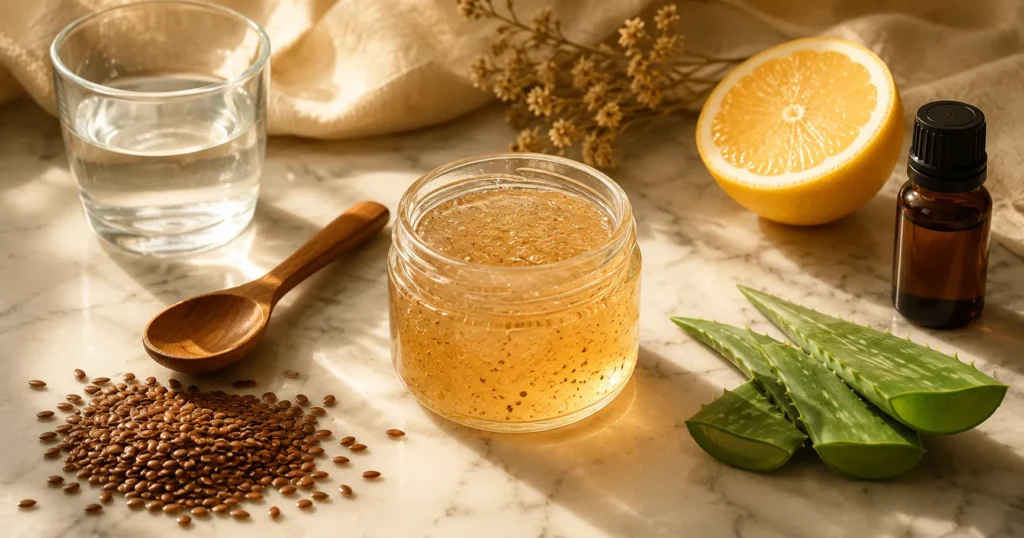

Flaxseed Gel for Face:- You’ve probably been eating alsi seeds your whole life — in laddoos your nani made, stirred into atta before rolling rotis, or sprinkled into smoothies during a health kick. But using flaxseeds on your face? That’s where things get genuinely interesting.
Flaxseed gel has been quietly trending in natural skincare communities worldwide for the past couple of years — and for very good reason. Made from nothing more than flaxseeds and water, this translucent, egg-white-like gel is packed with omega-3 fatty acids, lignans, antioxidants, and mucilage — a natural polysaccharide that acts like a powerful humectant on skin. The result: deep hydration, reduced inflammation, visible brightening, and a skin-tightening effect that has people calling it “natural Botox” on social media.
For Indian skin specifically, flaxseed gel addresses several of our most persistent concerns — hyperpigmentation from sun exposure, oiliness in humid weather, dullness from pollution, and the gradual loss of elasticity that begins in the 30s. And it does all of this with an ingredient that costs ₹50–100 for enough seeds to make gel for an entire month.
This is everything you need to know — what flaxseed gel actually does, the science behind it, how to make it correctly at home, and how to use it for your specific skin concern.
What Is Flaxseed Gel and Why Is It So Good for Skin?
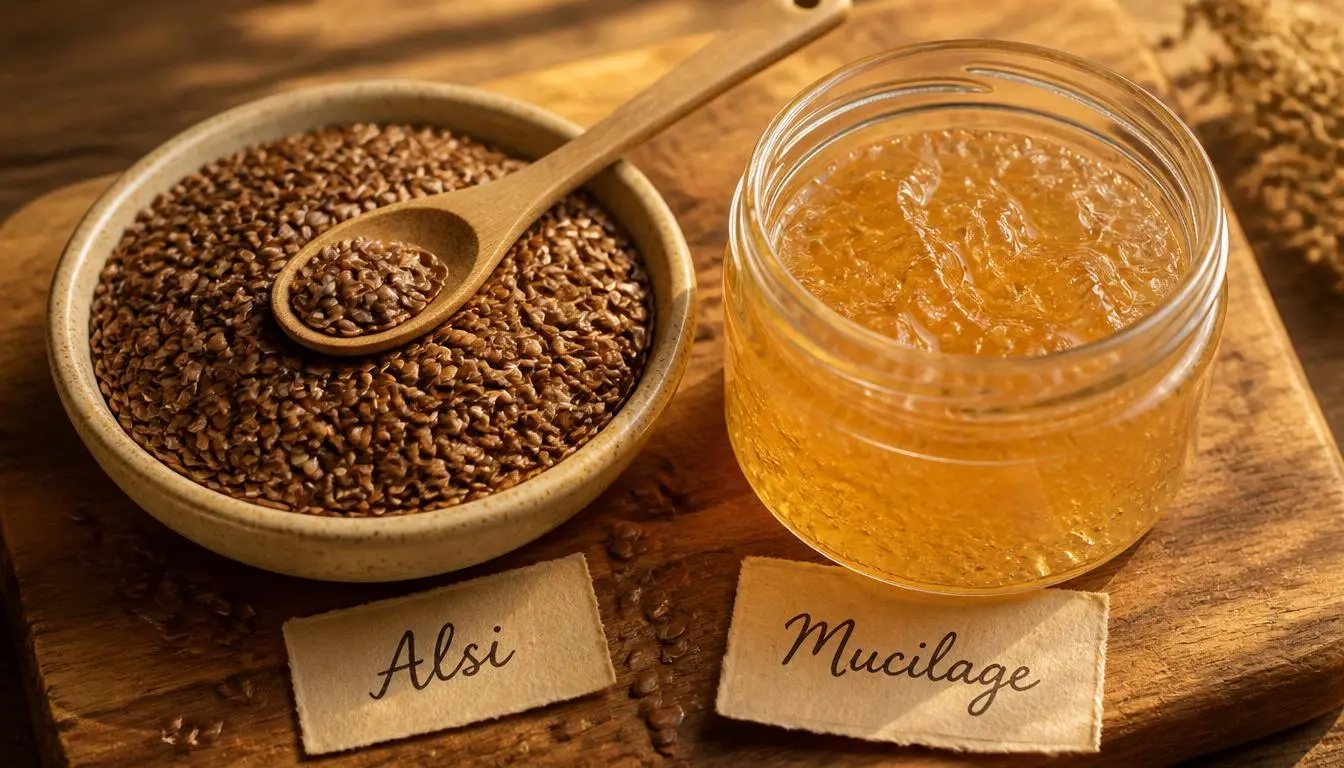
Flaxseed — known as alsi (अलसी) in Hindi and as linseed in older Indian texts — comes from the plant Linum usitatissimum, which has been cultivated in India for centuries. It’s grown extensively in Madhya Pradesh, Uttar Pradesh, Bihar, and Andhra Pradesh, making it one of India’s most locally available superseeds.
When flaxseeds are simmered in water, they release a thick, viscous gel from their outer coating — this is called mucilage. Mucilage is a naturally occurring polysaccharide (a type of complex carbohydrate) that acts as a humectant — it draws water molecules toward itself and holds them against the skin. This is the same mechanism used by hyaluronic acid in high-end serums, and flaxseed mucilage works in a strikingly similar way.
But the gel is more than just mucilage. Flaxseed is rich in omega-3 fatty acids, antioxidants, vitamins, and minerals that collectively make it one of the most nutrient-dense topical treatments available in any kitchen. Flaxseed, thanks to its rich omega-3 fatty acid and antioxidant content, strengthens the skin barrier and reduces moisture loss by 15–20%.
The science published in the International Journal of Pharmaceutical Research and Applications (2025) specifically reviewed flaxseed’s moisturising and hydrating benefits for skin — making it one of the most recently validated natural skincare ingredients in research literature.
8 Benefits of Flaxseed Gel for Face — Backed by Research
1. Deep Hydration Without Greasiness
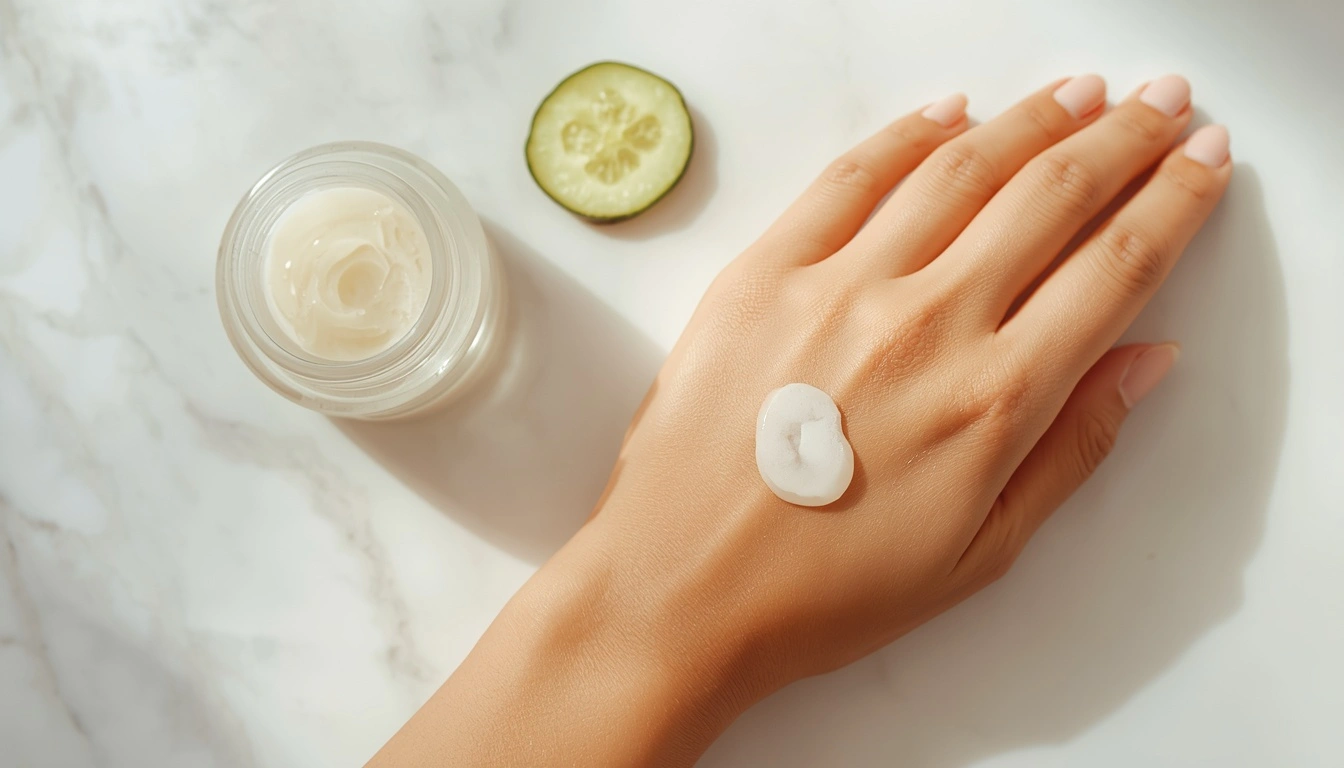
Flaxseed mucilage and polysaccharides help trap moisture and help retain it. Topical flaxseed gels and creams improve water retention and reduce dryness. Because the gel is water-based rather than oil-based, it absorbs quickly into the skin without leaving any greasy residue — making it particularly well-suited to Indian skin types that tend toward oiliness or combination skin.
For women with dry skin, flaxseed gel delivers hydration that lasts for hours. For oily skin, it provides the moisture skin needs without adding oil or clogging pores.
2. Anti-Ageing and Skin Firming
One study on “The Science of Flaxseed in Skincare” found that creams and gels with flaxseed components increase skin elasticity and make skin feel less tight even hours after washing. This improvement in elasticity is driven by two mechanisms: the omega-3 fatty acids support collagen production, while the mucilage creates a temporary film on the skin surface that produces a visible tightening and lifting effect — the reason social media has taken to calling it “natural Botox.”
Flaxseed’s anti-inflammatory properties reduce skin irritation and inflammation while supporting collagen production, thus increasing skin elasticity. Whether consumed as food or applied externally, it helps reduce fine lines and even out skin tone.
3. Reduces Tan and Hyperpigmentation
This is the benefit most relevant to Indian women, and it’s where flaxseed gel genuinely surprises people. Flaxseed oil and gel contain alpha-linoleic acid (ALA), linoleic acid (LA), and oleic acid (OA), which are effective in reducing hyperpigmentation and promoting cell turnover in the skin’s upper layers.
Regular application of flaxseed gel on areas affected by sun tan, post-acne marks, or uneven pigmentation gradually lightens these with consistent use over 4–6 weeks.
4. Controls Oiliness and Prevents Acne
Flaxseed gel hydrates the skin without making it greasy, which helps control oily skin and acne.The omega-3 fatty acids in flaxseed have anti-inflammatory properties that calm the excess sebum production and skin inflammation that drive breakouts.
For Indian women dealing with monsoon-season acne — when humidity spikes oil production — flaxseed gel used as a daily toner or serum can meaningfully reduce the breakout cycle without drying skin out the way most acne products do.
5. Soothes Irritated and Sensitive Skin
Flaxseed’s anti-inflammatory properties make it ideal for soothing irritated or inflamed skin conditions like acne, eczema, or rosacea.For skin that reacts to heat, pollution, or the strong active ingredients in many skincare products, flaxseed gel acts as a calming, cooling layer that reduces redness and sensitivity.
In Ayurveda, flaxseed has Madhura (sweet), Picchaila (lubricous), Balya (strengthening), Grahi (moisture-holding), Tvagdoshahrit (blemish-removing), and Vranahrit (wound-healing) properties — making it particularly useful for treating dryness, lack of elasticity, blemishes, and skin inflammation.
6. Brightens Dull Skin and Evens Skin Tone
The antioxidants in flaxseed — particularly lignans and Vitamin E — fight free radical damage from UV exposure and pollution. Flaxseed’s antioxidants, especially lignans and Vitamin E, help fight free radical damage from UV and pollution — resulting in less dullness and fewer premature fine lines.
For Indian women whose skin is constantly exposed to high UV levels and urban pollution, this antioxidant action translates directly to a brighter, more even complexion with consistent use.
7. Natural Exfoliation (When Used as a Mask)
When ground flaxseeds are mixed into the gel rather than strained out, the fine particles provide gentle physical exfoliation — removing dead skin cells from the surface without the micro-tears caused by harsh scrubs like walnut shell or apricot kernel. The bits exfoliate skin beautifully and remove dry, dead, sad skin. Expect tight, toned, gently-exfoliated, glowing skin.
8. Balances Vata Dosha — The Ayurvedic Angle
Alsi pacifies Vata disorders and improves Kapha and Pitta doshas in the system. External application of alsi oil may help to cure skin allergies, reduce skin inflammation, and speed up the wound healing process.
In the monsoon season — which Ayurveda identifies as the primary Vata season — skin tends to become dry, rough, and reactive. Flaxseed gel applied topically pacifies Vata, restoring smoothness and moisture balance to skin affected by the erratic, windy, damp nature of the rainy season.
How to Make Flaxseed Gel at Home — Step by Step
Making flaxseed gel at home takes about 15 minutes and produces enough gel to last 7–10 days. You need two things: flaxseeds and water.
What You Need
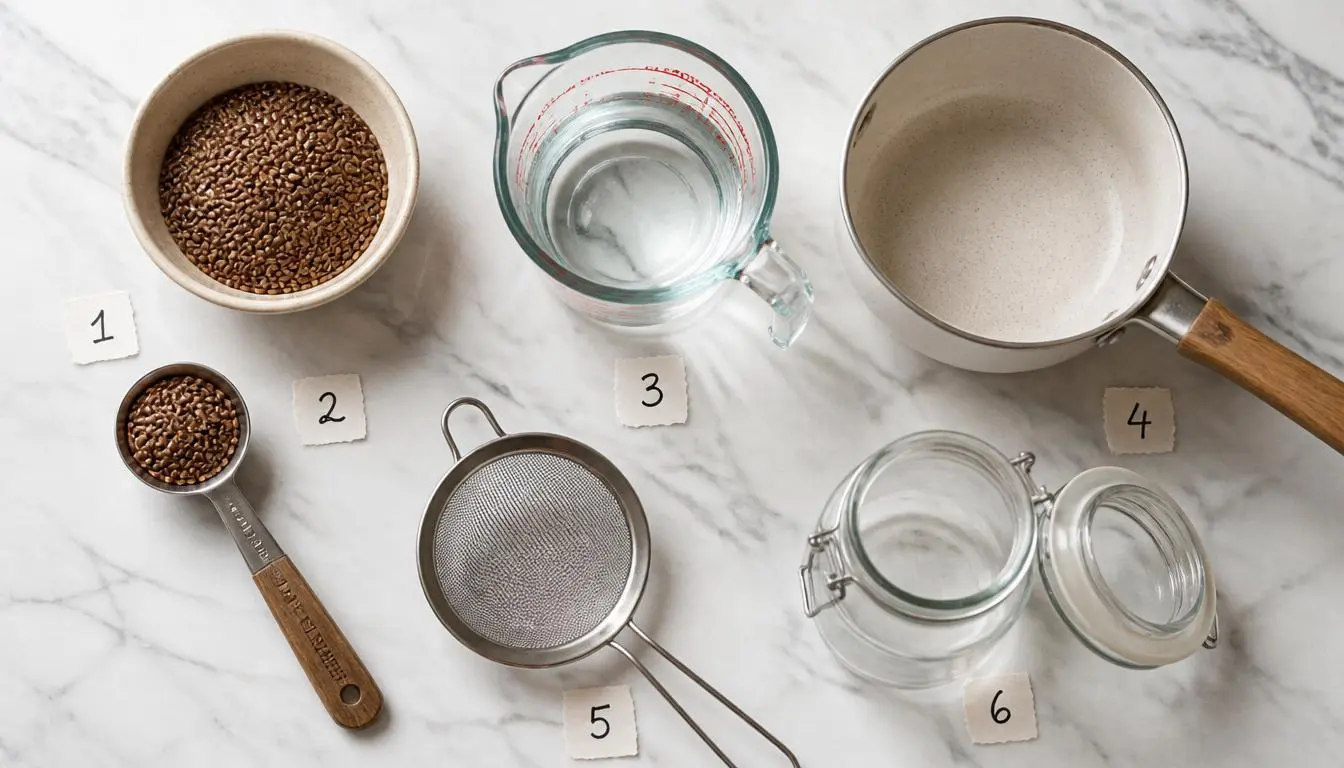
- 2 tablespoons of whole flaxseeds (brown or golden — both work. Brown flaxseeds tend to produce slightly more gel. Available at any kirana store or on Amazon as alsi seeds, typically ₹50–100 for 250g)
- 1 cup of filtered water (filtered water is preferable to avoid introducing chlorine to skin)
- A small saucepan
- A fine mesh strainer or muslin cloth
- A clean glass jar with a lid for storage
The Method
Step 1 — Optional: Soak overnight. Soaking the flaxseeds in the water overnight reduces the simmering time and produces a slightly thicker gel. If you’re in a hurry, skip this step — it’s optional, not essential.
Step 2 — Add seeds and water to saucepan. Place both together in a small saucepan over medium heat. Stir occasionally to prevent seeds from sticking to the bottom.
Step 3 — Simmer, don’t boil aggressively. Bring the mixture to a gentle boil over medium heat, stirring occasionally to ensure the seeds do not stick to the bottom. Keep the heat at medium-low. You’re looking for a gentle simmer, not a rolling boil.
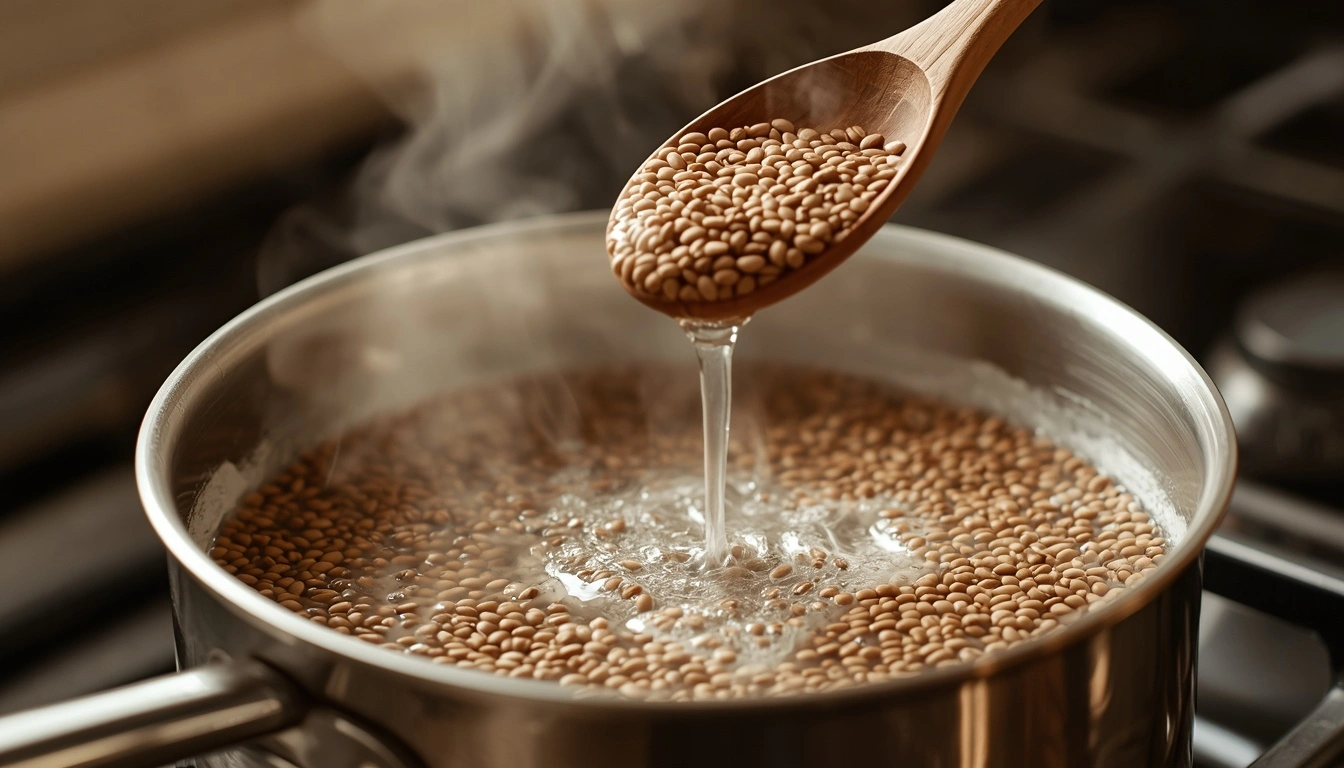
Step 4 — Watch for the “egg white string.” After 8–12 minutes, test the consistency by lifting your spoon — once it starts boiling, stir occasionally until you notice a thick, gel-like string falling from your spoon.This is your signal that the gel is ready. Don’t overcook — if the mixture becomes too thick, it will be difficult to strain and spread.
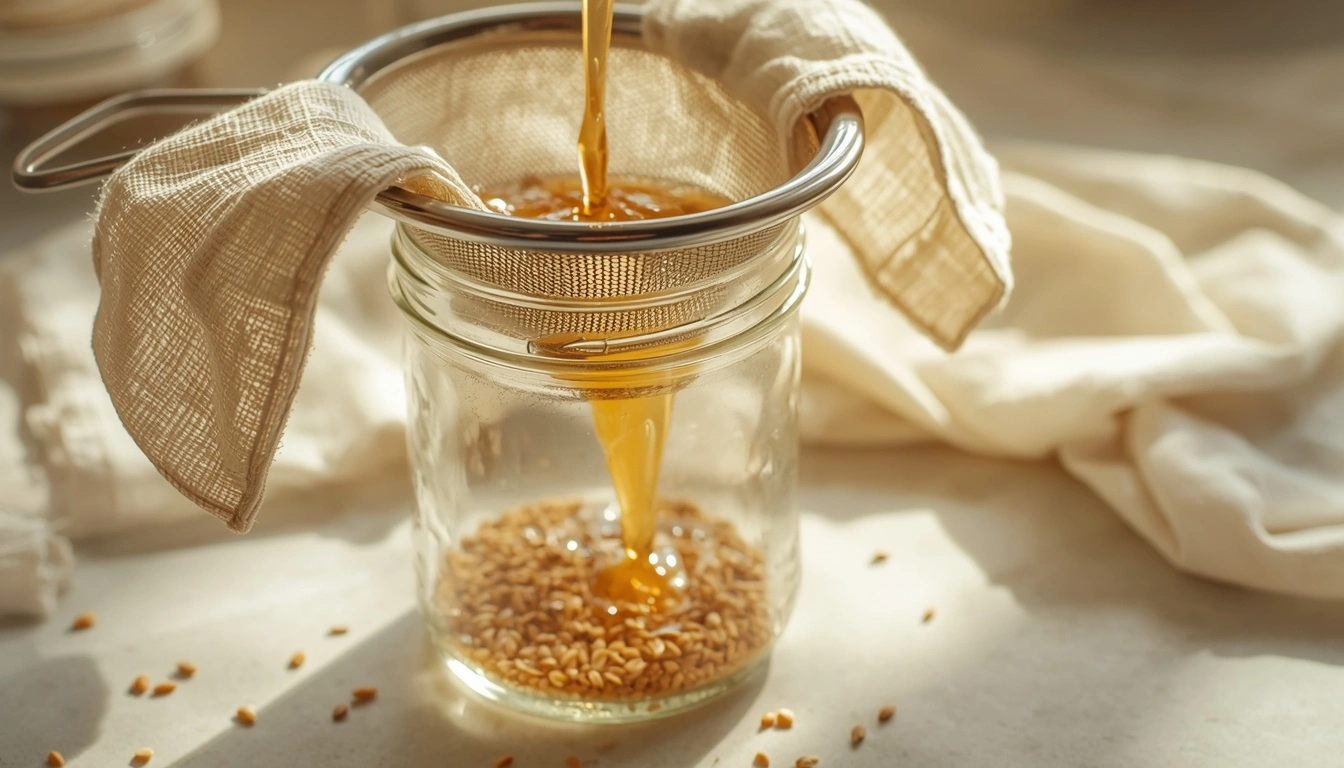
Step 5 — Strain immediately. Strain the hot liquid immediately through a fine mesh strainer or muslin cloth into a clean glass jar. Work quickly — the gel thickens as it cools and will be much harder to strain once it’s no longer warm.
Step 6 — Cool completely before using. Allow the gel to reach room temperature before applying to skin. The gel will continue to thicken as it chills.
Step 7 — Store in the refrigerator. The cool temperature of the gel when applied from the fridge has an additional skin-calming benefit. Refrigerate for up to seven to ten days.
How to Customise Your Flaxseed Gel for Different Skin Concerns
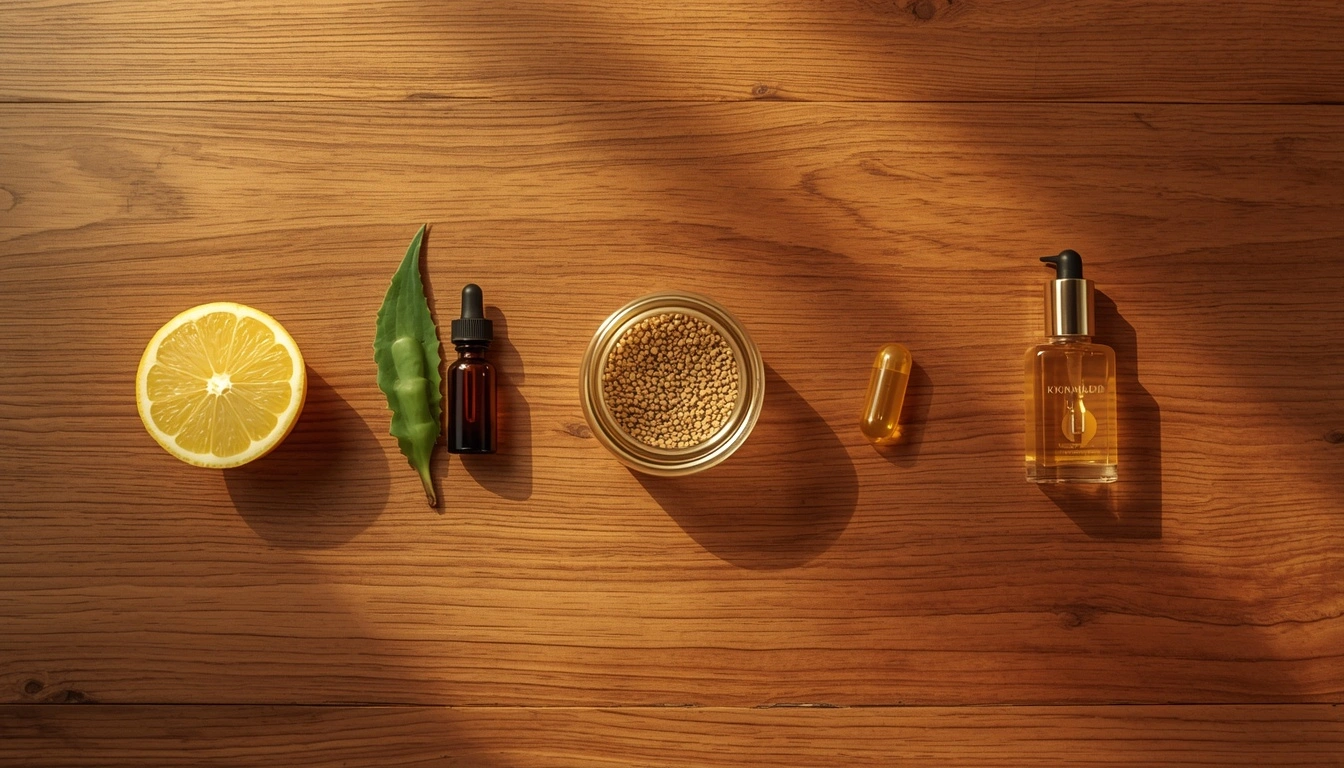
Plain flaxseed gel is powerful on its own. But adding the right ingredient takes it from a general skin treatment to a targeted one. Here are the best additions for Indian skin concerns:
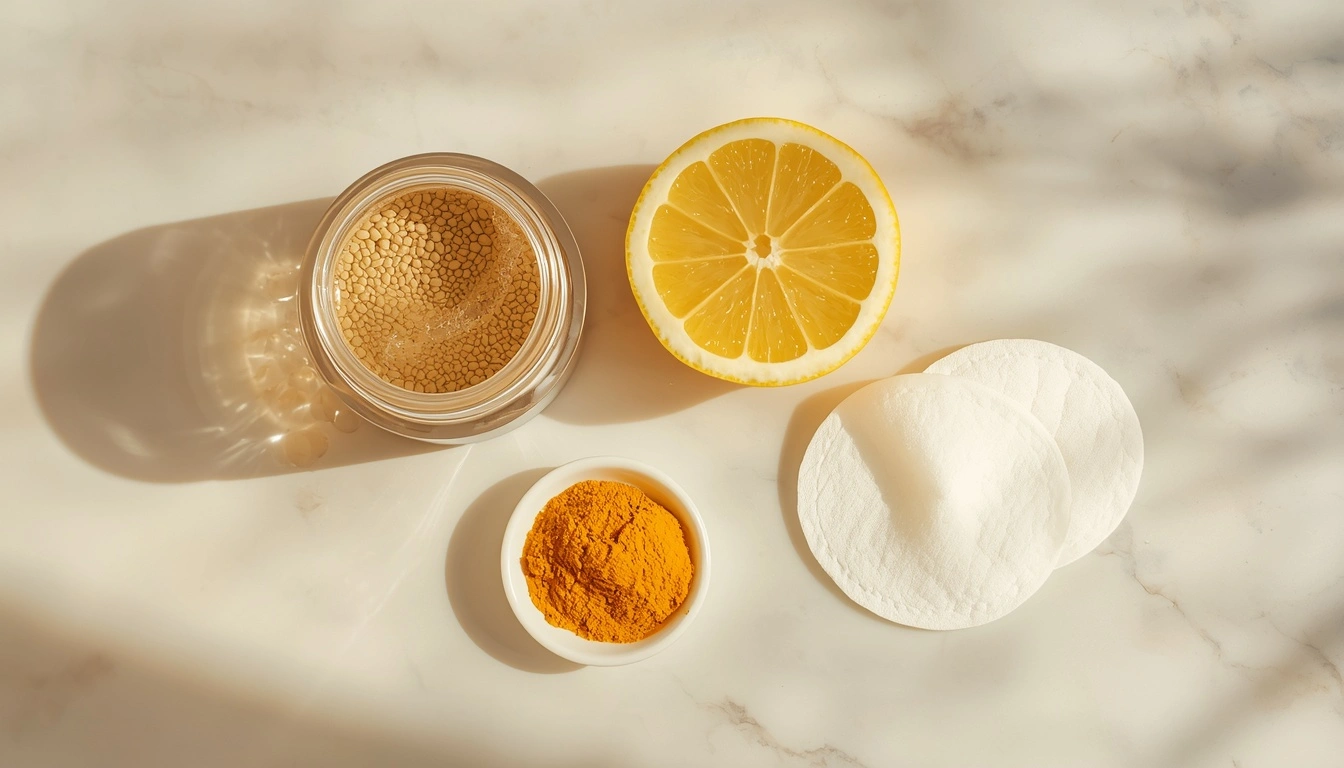
For brightening and tan removal: Add 3–4 drops of fresh lemon juice to 1 tablespoon of gel. The Vitamin C in lemon combined with flaxseed’s ALA creates a brightening duo that works on surface tan and dark spots. Use only at night — lemon increases photosensitivity.
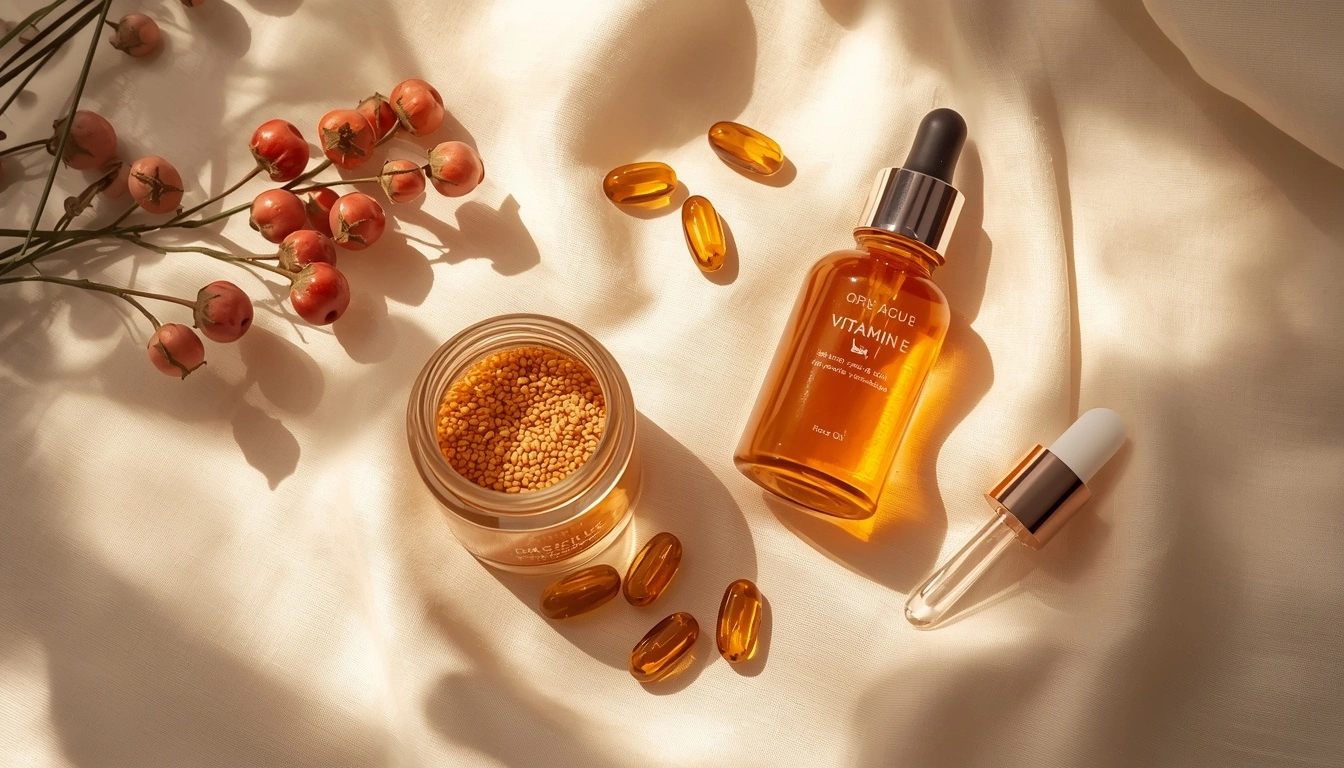
For anti-ageing and glow: Add Vitamin E capsule contents (3 capsules at 400 I.U. per tablespoon of flaxseed gel) — the combination of flaxseed’s omega-3s and Vitamin E creates a potent antioxidant, skin-repairing overnight treatment.
For acne-prone skin: Add 1–2 drops of pure tea tree oil to 1 tablespoon of gel. Tea tree’s antibacterial properties target acne-causing bacteria while flaxseed gel calms the inflammation around breakouts.
For maximum hydration: Mix equal parts flaxseed gel and pure aloe vera gel. This combination creates a wonderful skin-tightening mask that will shrink pores and make you glow. This pairing is particularly effective for dry and dehydrated skin during the air-conditioned office hours of Indian summers and monsoon season.
For the Ayurvedic version: Add 2–3 drops of kumkumadi oil to the flaxseed gel before applying. Kumkumadi’s saffron, sandalwood, and herb blend combined with flaxseed gel’s hydrating mucilage is a deeply nourishing overnight treatment that addresses both dryness and pigmentation simultaneously — and feels genuinely luxurious.
Quick 5-Minute Practice ✨ The “Alsi Reset” — try this for 7 nights straight: after cleansing your face, apply a thin, even layer of plain chilled flaxseed gel all over. No other products. Just flaxseed gel and sleep. By night 3, most people notice their skin feels noticeably plumper and calmer. By night 7, the difference in hydration, texture, and overall glow is visible. It’s the simplest, cheapest skin reset available — made from the same seed that’s been in Indian kitchens for generations.
How to Use Flaxseed Gel in Your Daily Skincare Routine
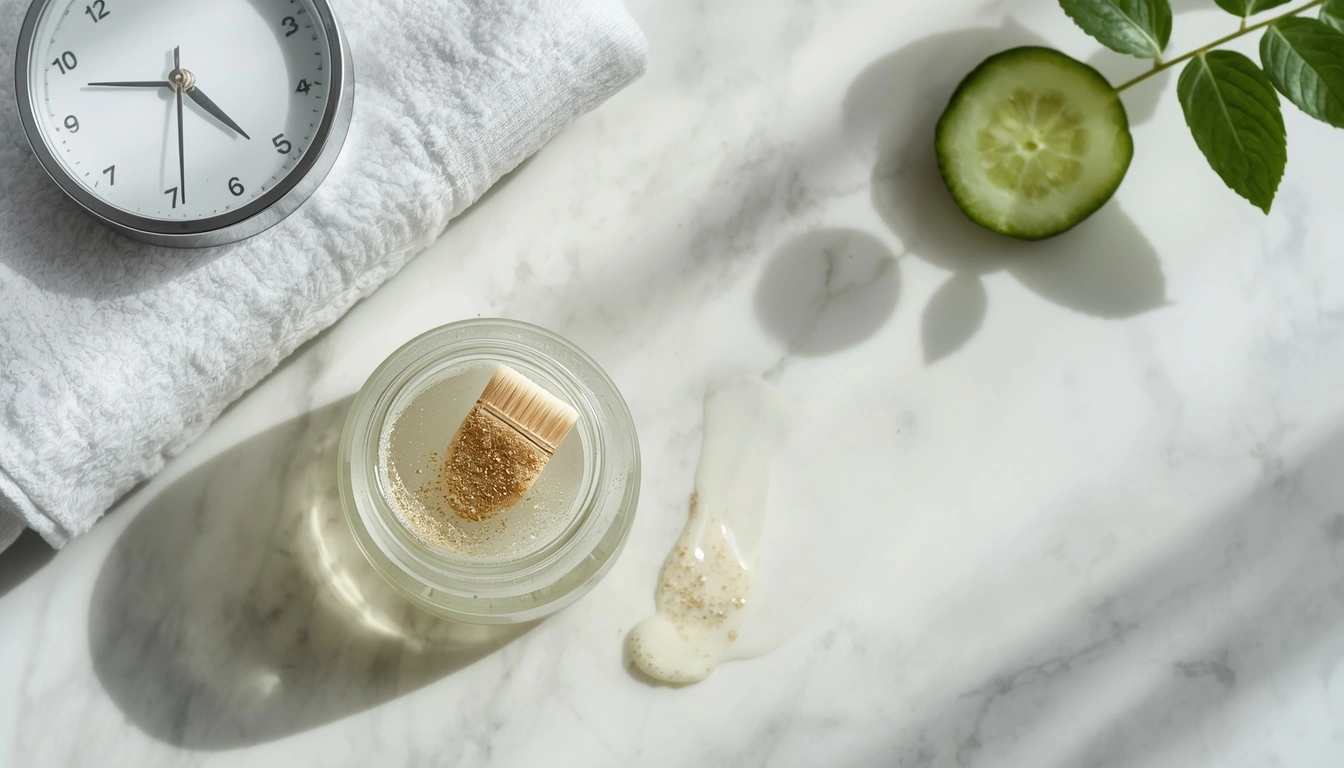
As a serum (most effective daily use): After cleansing and toning, apply a thin layer of flaxseed gel all over your face and allow it to absorb for 2–3 minutes. Follow with your moisturiser. The gel acts as a lightweight serum that delivers hydration and active compounds deep into the skin before the moisturiser seals everything in. Use morning and night.
As a face mask (weekly deep treatment): Apply a generous layer of flaxseed gel on cleansed skin. Leave for 20–30 minutes until it dries and feels slightly tight. Rinse with cool water. Aim for 2–3 applications per week to experience its full potential. Follow with your moisturiser — the mask leaves skin temporarily tight, which needs to be balanced with hydration.
As an overnight treatment: Applying flaxseed gel on the face overnight can help boost hydration, soothe irritated skin, and promote a refreshed complexion, thanks to its moisturising properties and high content of antioxidants and omega-3 fatty acids. Apply a thin layer before bed and rinse in the morning. Don’t apply too thick a layer — the gel can dry out and flake overnight if applied too generously, which can feel uncomfortable by morning.
As an eye treatment: Dab a tiny amount of pure flaxseed gel under the eyes using your ring finger. The anti-inflammatory mucilage reduces puffiness and the hydrating compounds address the thin, dry skin around the eye area. Leave overnight or for 15 minutes as a targeted treatment.
As a spot treatment: Apply a small amount of flaxseed gel directly on active pimples or dark spots as a targeted treatment. The anti-inflammatory compounds calm active breakouts; the ALA helps fade the dark marks they leave behind.
Skin Type Guide — Is Flaxseed Gel Right for You?
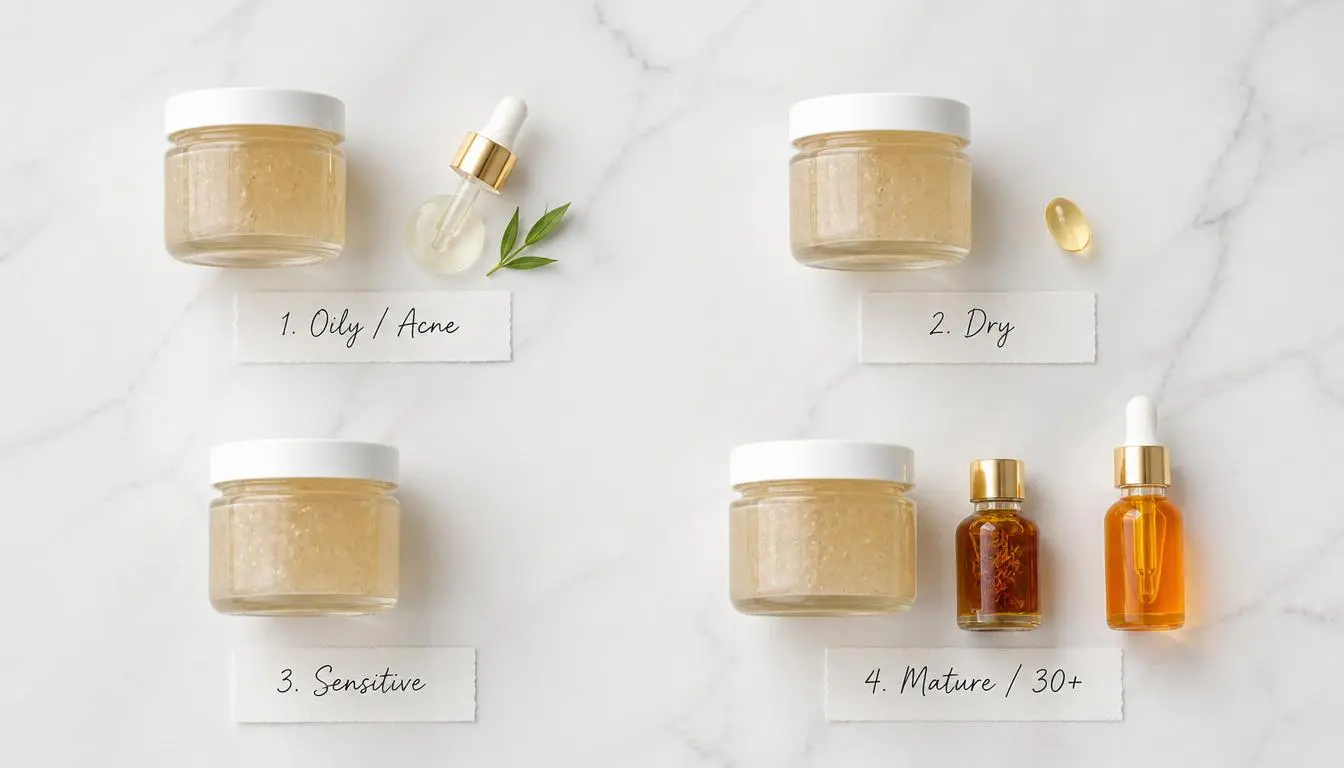
| Skin Type | Good for? | How to Use | What to Add |
|---|---|---|---|
| Oily / Acne-prone | Excellent | Daily serum, weekly mask | 1–2 drops tea tree oil |
| Dry | Excellent | Overnight treatment, daily serum | Vitamin E capsule contents |
| Combination | Excellent | Daily serum on T-zone + dry areas | Aloe vera gel for extra hydration |
| Sensitive | Yes, with caution | Patch test first, start 2x/week | Nothing — use plain gel only |
| Mature (30+) | Excellent | Overnight + eye treatment | Kumkumadi oil or rosehip oil |
| Pigmented / Tanned | Excellent | Nightly treatment | Lemon juice (3–4 drops at night only) |
Common Mistakes to Avoid
Making the gel too thick. Overcooking the seeds produces a gel that’s too dense to spread or absorb properly. The right consistency is similar to egg whites — slightly viscous but still spreadable. If your gel is rubbery or solid, it was cooked too long. Start a fresh batch with slightly less simmering time.
Not straining quickly enough. The gel thickens rapidly as it cools. If you wait too long to strain, you’ll end up with seeds stuck in a thick gel that’s impossible to separate cleanly. Strain while it’s still hot — within a minute or two of removing from heat.
Applying too thick a layer overnight. More is not better with flaxseed gel. A thin, even layer absorbs properly and does the work. A thick layer dries into a film that can feel uncomfortable, crack, and flake during sleep — wasting product and potentially irritating skin.
Not refrigerating it. Flaxseed gel is a fresh, preservative-free preparation. Flaxseed gel oxidises quickly so if you are making a large batch, refrigerate it once it has cooled down. Unrefrigerated gel at room temperature (especially in Indian monsoon humidity) can spoil within 2–3 days.
Using contaminated equipment. Because there are no preservatives, bacteria introduced through dirty spoons or fingers into the jar will cause the gel to spoil quickly. Always use a clean spoon to scoop gel out — don’t dip your fingers directly into the storage jar.
Expecting instant results. Flaxseed gel is a consistent-use ingredient. The tightening effect is visible immediately after a mask, but the cumulative benefits — brighter skin, reduced pigmentation, improved elasticity — take 3–4 weeks of daily use to become clearly visible. Don’t give up after one week.
Where to Buy Flaxseeds in India
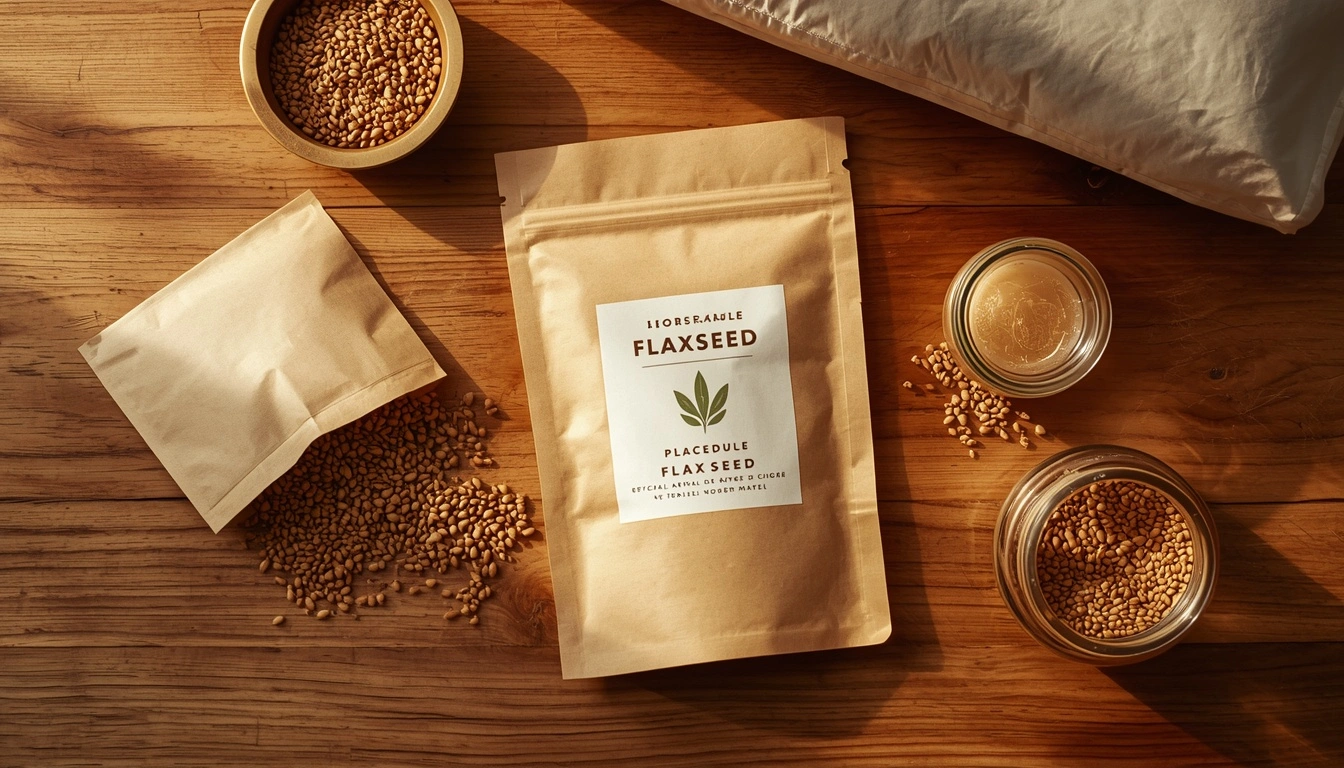
Flaxseeds are one of the most widely available superseeds in India:
- Local kirana stores: Sold as alsi seeds, usually loose or in 100–500g packs. The most affordable option at ₹40–80 per 250g.
- Organic stores: Orgpick, Organic India, Down to Earth, 24 Mantra Organic. Slightly pricier but certified organic — worth it if you’re using on sensitive skin.
- Online: Amazon, BigBasket, and Flipkart all stock multiple brands. Look for whole seeds (not ground) for making gel — ground seeds absorb water too quickly and don’t strain cleanly. Brands to look for: Organic India, True Elements, Neuherbs, Farmley (all available under ₹150 for 500g).
- Health food sections of supermarkets: Nature’s Basket, Spar, DMart’s organic section.
Brown vs golden flaxseeds: Both work equally well for gel. Brown flaxseeds tend to produce slightly more gel per batch. Golden flaxseeds are milder in flavour if you’re also using them in food. For skin use, brown is perfectly fine and usually cheaper.
Frequently Asked Questions
Q: Can I use flaxseed gel on my face every day? Yes — flaxseed gel is gentle enough for daily use as a serum or light treatment. As a mask (left on for 20–30 minutes), use 2–3 times a week rather than daily. If you have very sensitive skin, start with alternate-day use for the first 2 weeks before moving to daily application.
Q: How long does homemade flaxseed gel last? In the refrigerator, plain flaxseed gel lasts 7–10 days. If you’ve added lemon juice or other fresh ingredients, use within 3–5 days. Adding a few drops of Vitamin E oil can extend shelf life slightly. Always check for any off smell before using — if it smells fermented or sour, discard and make a fresh batch.
Q: Can flaxseed gel replace aloe vera gel in a skincare routine? They have overlapping benefits (both are hydrating, soothing, and anti-inflammatory) but they’re not identical substitutes. Flaxseed gel is richer in omega-3 fatty acids and lignans; aloe vera gel is higher in vitamins and enzymes. Using them together — mixed in equal parts — gives you the benefits of both. For very oily skin, flaxseed gel alone is slightly lighter than aloe vera. For dry skin, aloe vera alone may not be moisturising enough whereas flaxseed gel provides deeper nourishment.
Q: Is flaxseed gel safe during pregnancy? For topical application on the face, flaxseed gel is generally considered safe during pregnancy. However, consuming flaxseeds or flaxseed oil in large quantities during pregnancy should be discussed with your doctor. For skincare use, consult your gynaecologist if you have concerns.
Q: Will flaxseed gel clog pores? No — flaxseed gel is non-comedogenic. The mucilage is water-soluble and washes off completely. It does not leave a residue that would clog pores, which is part of what makes it suitable for oily and acne-prone skin types.
Q: Can I use flaxseed gel in my hair too? Absolutely — and this is one of the most popular uses of flaxseed gel globally. Applied to damp hair, it defines curls and waves, reduces frizz, and nourishes the scalp with omega-3 fatty acids. The same batch you make for your face can be used on your hair. Apply to damp hair, scrunch in, and allow to air dry for natural wave definition and shine.
Q: How is flaxseed gel different from flaxseed oil for skin? They’re two different preparations with different benefits. Flaxseed gel (made by simmering seeds in water) is water-based — lighter, non-greasy, suitable for all skin types including oily skin, and works primarily through mucilage and polysaccharides. Flaxseed oil (cold-pressed from the seeds) is oil-based — richer, more nourishing, better for very dry or mature skin, and delivers a higher concentration of omega-3 fatty acids. Use the gel for daily lightweight hydration and the oil for targeted nourishment on very dry areas.
The Bottom Line
Flaxseed gel is one of those rare skincare ingredients that genuinely earns its reputation — backed by science, aligned with Ayurvedic tradition, deeply suited to Indian skin concerns, and available for almost nothing from your nearest kirana store.
It hydrates without greasiness. It calms inflammation and acne. It gradually lightens tan and dark spots. It improves skin elasticity and gives a visible tightening effect. And it does all of this from a seed called alsi that Indian kitchens have had for centuries, long before it needed a skincare trend to validate it.
Make your first batch tonight. It takes 15 minutes and costs less than a bus ticket. Your skin will tell you everything else you need to know.
Also read on CGlows:
- [How to Use Aloe Vera Gel on Face Overnight — Complete Guide]
- [ Best Face Pack for Oily Skin in Indian Summer]
- [Night Skincare Routine for Indian Women Over 30]
Disclaimer: This article is for general informational purposes only and is not a substitute for professional dermatological advice. Always patch-test new ingredients on your inner wrist before applying to your full face. If you have a diagnosed skin condition, consult a dermatologist before starting new topical treatments.
Discover more from CGlows
Subscribe to get the latest posts sent to your email.