
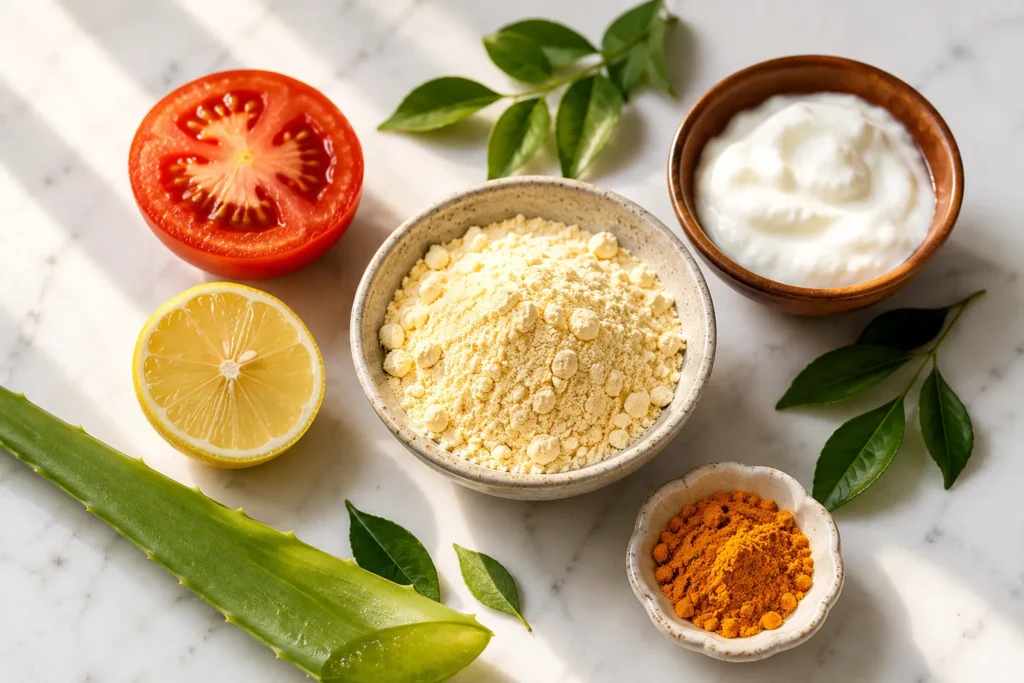

The Indian summer is no joke. Whether you’ve been commuting in the afternoon sun, spending a weekend at the beach, or simply stepping out to grab groceries — your face takes the hit. That stubborn tan line around your jaw, the darkened forehead, the uneven patches on your cheeks — sounds familiar, doesn’t it?
The good news is that you don’t need expensive salon treatments or fancy imported creams to fix this. Your kitchen already has most of what you need. Here’s everything you need to know about how to remove tan from face at home, using ingredients that work especially well for Indian skin tones.
Why Does Skin Tan in the First Place?
Before jumping into remedies, let’s quickly understand what’s actually happening. When your skin is exposed to UV rays from the sun, it produces a pigment called melanin as a defence mechanism. This melanin is what causes the darkening — your skin turning several shades deeper than its natural tone.
For Indian skin, which already has higher baseline melanin, tanning can look patchy and uneven. And while a tan isn’t harmful on its own, it can make skin look dull, tired, and inconsistent — especially on the face.
The key to removing tan is to gently exfoliate dead, pigmented skin cells and inhibit excess melanin production over time. That’s exactly what most of these home remedies do.
10 Home Remedies to Remove Tan from Face
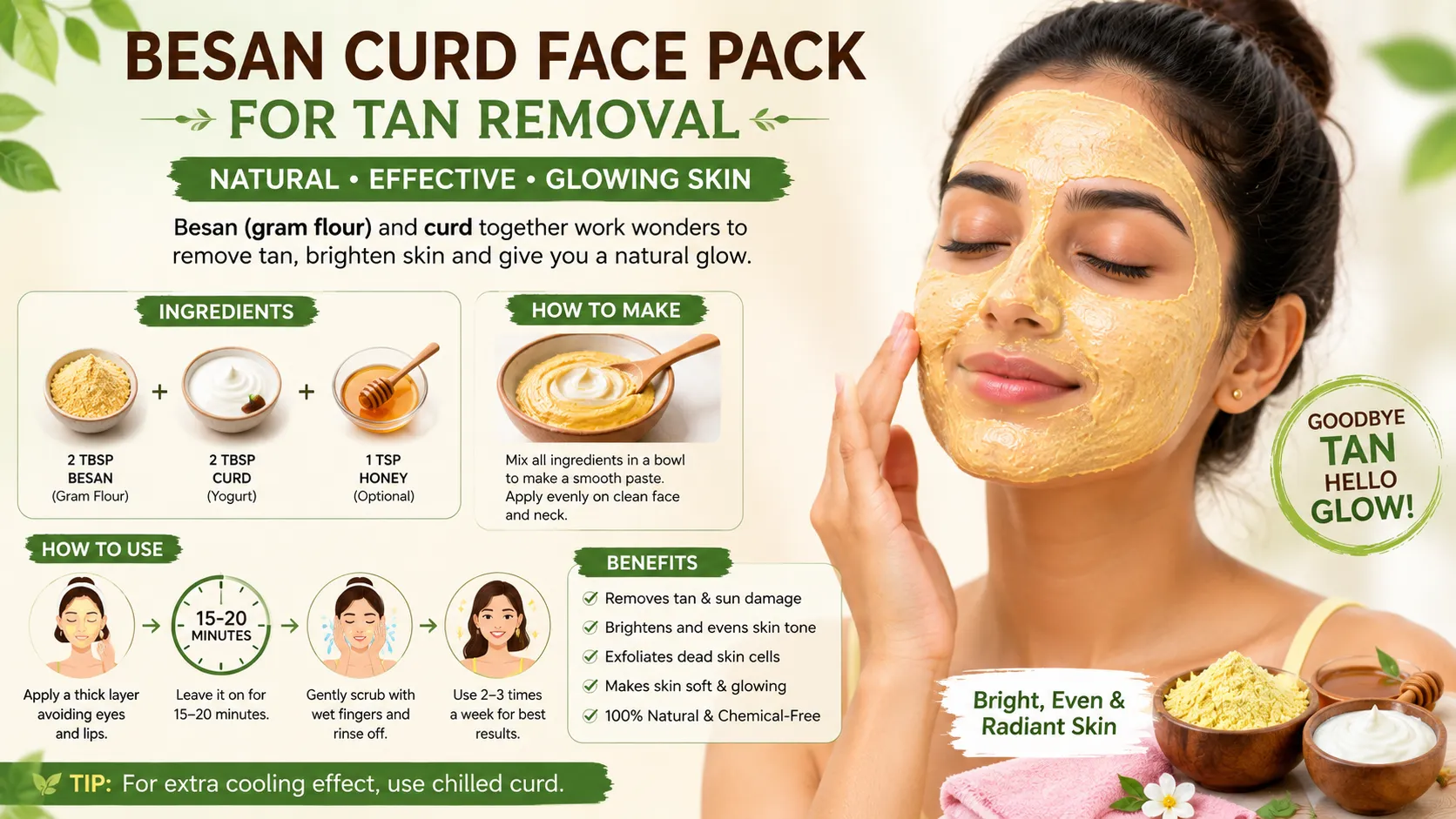
1. Besan and Curd Face Pack
This is probably the most classic Indian tan removal remedy — and there’s a real reason it’s been passed down through generations. Besan (gram flour) acts as a natural exfoliant, scrubbing away dead, tanned skin cells. Curd contains lactic acid, a gentle AHA that brightens and evens out skin tone.
How to use: Mix 2 tablespoons of besan with enough fresh curd to make a thick paste. Add a pinch of haldi (turmeric) for an extra glow boost. Apply on your face, leave for 20 minutes, and wash off with cool water while gently scrubbing in circular motions.
Use 2–3 times a week for visible results within 2–3 weeks.
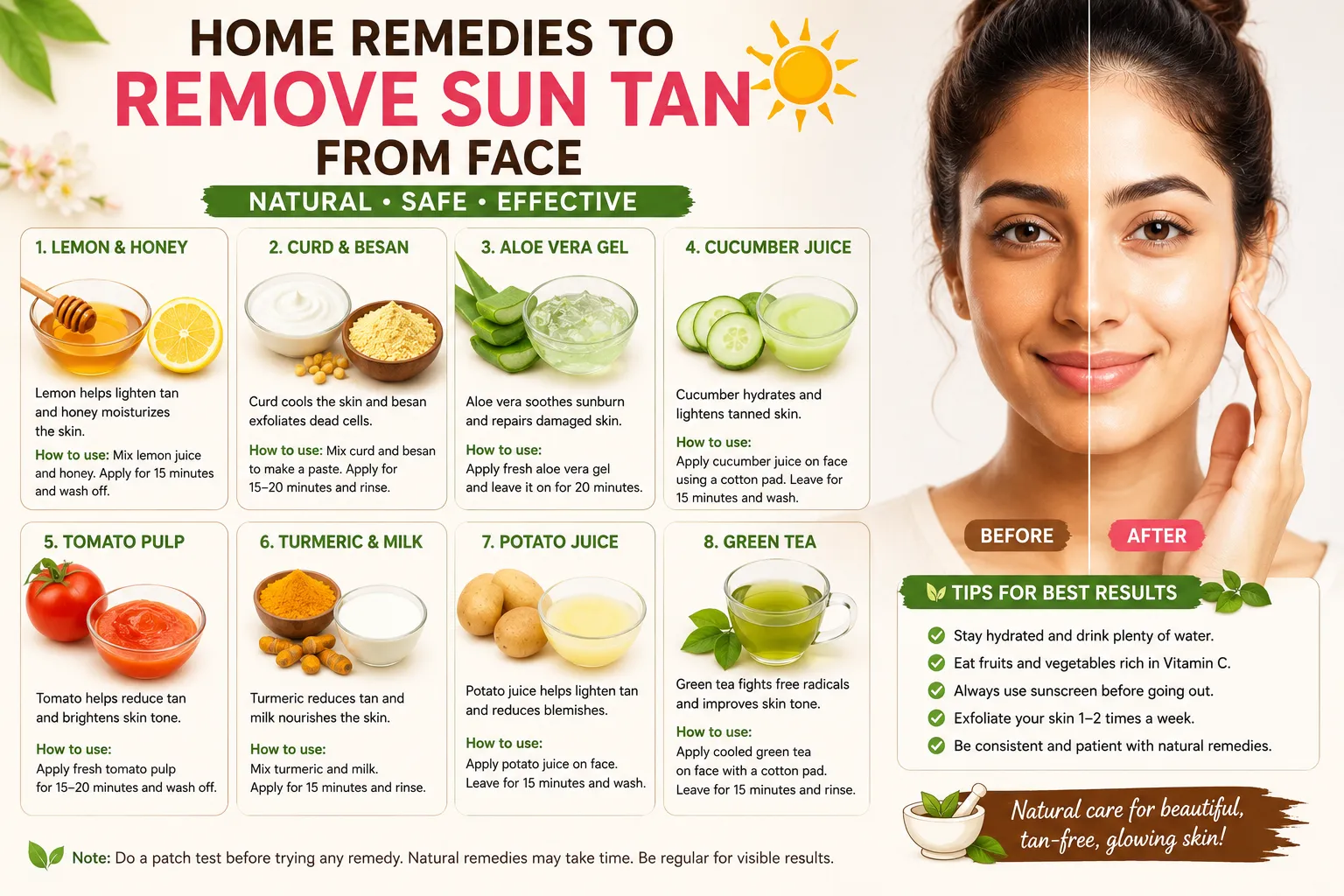
2. Tomato Juice
Tomatoes are rich in lycopene, an antioxidant that helps reduce UV damage, and they also have natural bleaching properties that work on surface-level tanning. They’re mildly acidic, which helps in gently exfoliating the outer layer of skin.
How to use: Cut a ripe tomato in half and rub it directly on your tanned face in circular motions. Leave the juice on for 15–20 minutes, then rinse off. Alternatively, mix tomato juice with a few drops of lemon juice for a stronger effect.
Do this daily for a week and notice the difference — skin looks noticeably brighter and more even.
3. Raw Potato Juice
Raw potato is one of the most underrated skin brighteners in Indian kitchens. It contains catecholase, an enzyme known to lighten dark spots and even out hyperpigmentation caused by sun exposure.
How to use: Grate a small potato and squeeze out the juice. Apply it directly to tanned areas using a cotton ball. Leave it on for 15 minutes and rinse. You can also cut a potato into slices and rub them gently on the face.
Use daily or alternate days for best results.
4. Aloe Vera Gel
If your skin feels irritated, sensitive, or burnt from sun exposure along with the tan — aloe vera is your best friend. It soothes inflammation, deeply hydrates, and contains aloin, a compound that has mild skin-lightening properties.
How to use: Extract fresh gel from an aloe vera leaf or use a pure, chemical-free store-bought gel. Apply a generous layer on your face after washing. You can leave it on overnight as a sleeping mask. Rinse in the morning.
Aloe vera is gentle enough to use daily, making it great for those with sensitive or combination skin.
Quick 5-Minute Practice ✨ Every evening before bed, apply a thin layer of aloe vera gel on your face and gently massage it in for 2 minutes. Rinse the next morning. Do this for 7 days straight and watch your tan fade while your skin stays hydrated and soft.
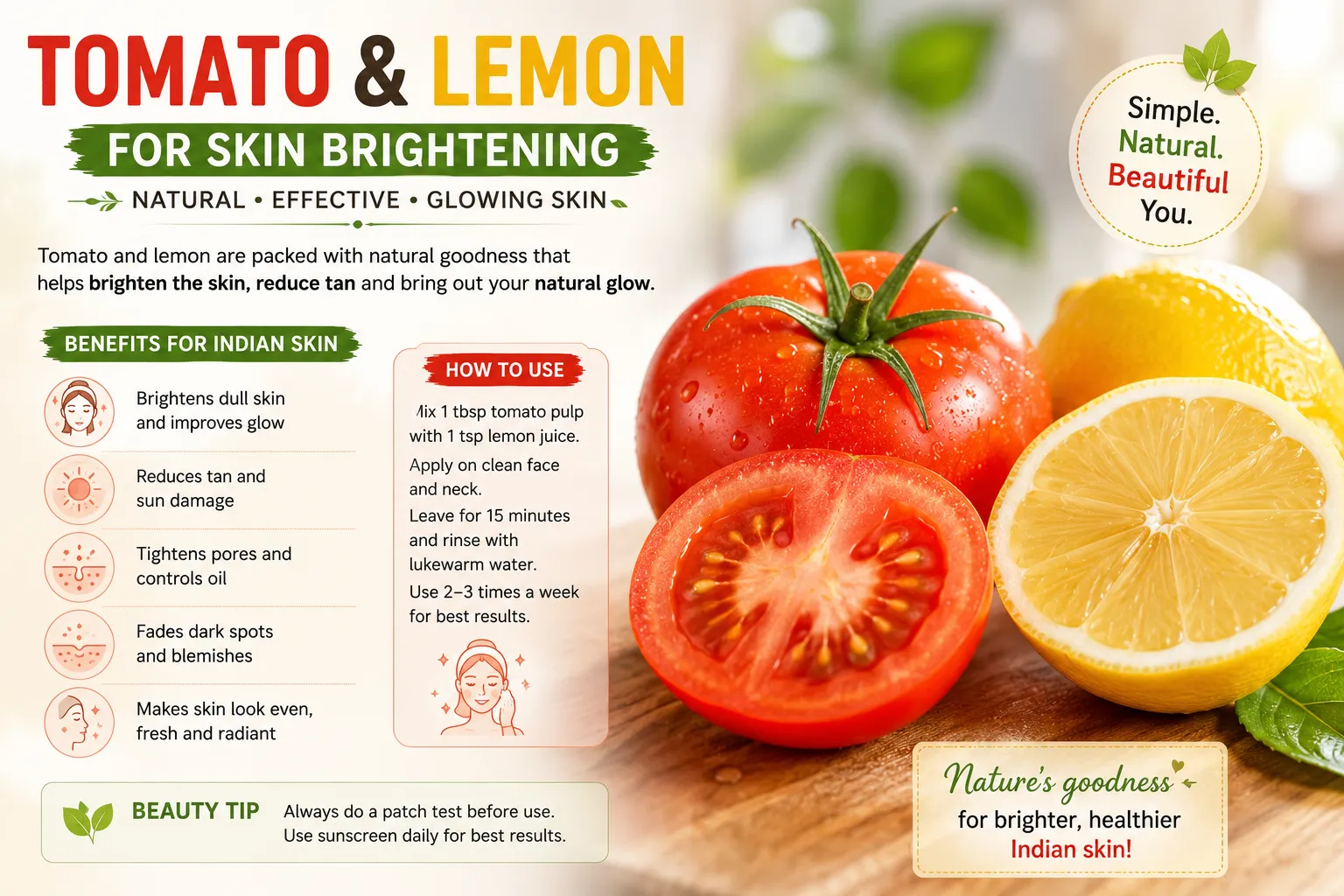
5. Lemon and Honey Mask
Lemon is a natural source of Vitamin C and citric acid — both known to reduce melanin production and brighten skin. Honey balances out lemon’s drying effect with deep moisture and antibacterial properties.
How to use: Mix 1 teaspoon of fresh lemon juice with 1 teaspoon of raw honey. Apply it on the tanned areas, avoiding the area around the eyes. Leave for 10–15 minutes and rinse with lukewarm water.
Important: Never step out in the sun immediately after using lemon on your face. It increases photosensitivity. Use this remedy at night.
Use 2–3 times per week.
6. Multani Mitti (Fuller’s Earth) Pack
Multani mitti is a staple in Indian skincare for good reason. It deep-cleanses pores, absorbs excess oil, and has mild skin-lightening properties that work well on sun-tanned skin — particularly effective for oily skin types.
How to use: Mix 2 tablespoons of multani mitti with rose water to make a smooth paste. You can add a few drops of lemon juice or a pinch of turmeric. Apply on the face, let it dry for 15–20 minutes, and rinse with cool water.
Use twice a week. Avoid if you have very dry skin as it can be drying.
7. Papaya and Honey Mask
Raw papaya contains papain, a natural enzyme that breaks down dead skin cells and acts as a gentle chemical exfoliant. It’s particularly effective for removing tan and improving overall skin texture.
How to use: Mash a few chunks of raw (unripe) papaya into a smooth pulp. Mix with a teaspoon of honey. Apply on the face, leave for 20 minutes, and wash off.
Use twice a week. Your skin will feel noticeably smoother after just a few uses.
8. Cucumber and Rose Water Toner
Cucumber has cooling, anti-inflammatory properties and mild astringent qualities that help tighten pores and brighten tanned skin. Rose water soothes, balances skin pH, and adds a lovely glow.
How to use: Blend half a cucumber and strain the juice. Mix with equal parts rose water. Pour into a spray bottle and use as a face mist or apply with a cotton pad after cleansing. Leave it on — no need to rinse.
This works beautifully as part of your daily skincare routine, especially in summer.
9. Milk and Saffron Mask
Milk contains lactic acid that gently exfoliates and brightens, while saffron (kesar) is one of the oldest Indian beauty ingredients known for its skin-lightening and luminosity-boosting properties. Together, they make a luxurious tan-removal mask.
How to use: Soak a few strands of saffron in 2 tablespoons of raw milk for 15–20 minutes. Apply the milk on your face, leave for 20 minutes, and rinse. The skin looks visibly brighter immediately after.
Use 2–3 times a week. Particularly good for dry and normal skin types.
10. Oatmeal and Buttermilk Scrub
Oatmeal is a gentle physical exfoliant that removes dead, tanned skin without irritating it. Buttermilk (chaas) is rich in lactic acid and helps fade pigmentation over time.
How to use: Mix 2 tablespoons of fine oatmeal with enough buttermilk to make a thick paste. Gently scrub your face in circular motions for 2–3 minutes, then leave the paste on for another 10 minutes before rinsing.
Use twice a week as a combined scrub and mask. Great for dull, tired summer skin.
How Long Does It Take to Remove Tan?
This is the question everyone wants answered honestly — and the honest answer is: it depends. A fresh, surface-level tan from a single day in the sun can fade within 1–2 weeks with consistent home remedies. A deeper tan that’s built up over weeks or months can take 4–8 weeks of regular treatment to significantly lighten.
The key words here are consistent and regular. Using a remedy once and expecting miracles won’t work. Pick 2–3 remedies that suit your skin type, rotate them, and stay committed.
Skincare Mistakes That Make Tanning Worse
While you’re working on removing tan, avoid these common mistakes:
Skipping sunscreen. No home remedy will undo a fresh tan you’re adding every time you step outdoors. Use an SPF 30+ sunscreen every single morning — indoors too, if you’re near windows. Reapply every 2–3 hours if you’re outside.
Using lemon directly and going out in the sun. Lemon makes skin photosensitive. If you apply it in the morning and step out, you could end up with worse pigmentation.
Over-scrubbing. More scrubbing doesn’t mean faster results. It irritates the skin barrier and can cause inflammation, which actually triggers more melanin production. Gentle and consistent wins.
Using too many remedies at once. Don’t layer 5 different masks in a week hoping to speed things up. Pick 2–3 and give them time to work.

Which Remedy Is Right for Your Skin Type?
| Skin Type | Best Remedies |
|---|---|
| Oily skin | Besan + curd, multani mitti, tomato juice |
| Dry skin | Aloe vera, milk + saffron, honey + lemon |
| Sensitive skin | Aloe vera, cucumber rose water, oatmeal |
| Normal / combination | Any of the above — rotate! |
When to See a Dermatologist
Home remedies work beautifully for regular sun tanning. But if you notice uneven dark patches that don’t respond to home treatment after 8–10 weeks, or if the darkening is patchy and concentrated (especially on the upper lip or cheeks), it could be melasma — a hormonal pigmentation condition that needs professional treatment.
Similarly, if skin feels painful, blistered, or unusually hot after sun exposure, see a doctor before starting any DIY treatment.
Can I remove tan from face in just one day?
Not completely — but you can visibly lighten a fresh, surface-level tan in 24–48 hours with intensive treatments like a tomato juice application followed by a besan and curd pack. For deeper or older tans, expect 2–4 weeks of consistent effort.
Which is the fastest home remedy to remove tan from face?
Tomato juice applied daily combined with a besan-curd pack used 3 times a week gives the fastest visible results for most Indian skin tones. If you want to accelerate further, add a lemon-honey mask at night — just make sure not to step out in the sun after using lemon.
Is it safe to use lemon juice directly on the face for tan removal?
Lemon juice is effective but needs to be used carefully. Always dilute it with honey, rose water, or curd before applying — never use it undiluted on bare skin as it can cause irritation or even chemical burns for sensitive skin types. And never use it before stepping out in sunlight.
How many times a week should I apply a tan removal face pack?
2–3 times a week is ideal. More than that can strip your skin’s natural moisture barrier and cause dryness or irritation, which slows down recovery. Give your skin at least one full day to rest between applications.
Will my natural skin tone come back completely after tanning?
Yes — for most people, sun tan is not permanent. Since melanin production triggered by UV rays gradually normalises once exposure stops, your skin tone does return to its natural baseline. Consistent use of home remedies and daily SPF can speed this process up significantly.
Can I use these remedies if I have acne-prone skin?
Most of these remedies are safe for acne-prone skin. Besan, multani mitti, and aloe vera are especially beneficial as they help control oil and soothe inflammation. Avoid papaya or lemon if you have active, open breakouts as they can sting or irritate.
Does sunscreen help with tan removal or just prevention?
Sunscreen is primarily for prevention — it stops new tan from forming. It doesn’t reverse existing tan. However, using SPF every day while doing your home remedies is essential, otherwise you’re undoing your progress each time you step outdoors.
What is the best home remedy for removing tan from the neck and jawline?
The neck and jawline tan is very common for Indian women who wear dupattas or collared clothing. Tomato juice rubbed directly on the area daily, followed by a multani mitti pack twice a week, works very well. The potato juice remedy is also excellent for these stubborn border tan lines.
The Bottom Line
Removing tan at home is completely achievable — and the Indian kitchen is genuinely stocked with some of the most effective ingredients in the world for it. Besan, curd, tomato, aloe vera, multani mitti — these aren’t old wives’ tales. They work, they’re affordable, and they’re suited to Indian skin.
The formula is simple: choose remedies that match your skin type, use them consistently 2–3 times a week, protect your skin with SPF every day, and be patient. Your natural skin tone will come back — and it’ll look healthier than ever.
Also read on CGlows:
- [Best face pack for oily skin in Indian summer]
- [Is 8 glasses of water a day really needed in summer? The truth about hydration]
- [How to use aloe vera gel on face overnight — the complete guide]
Disclaimer: These home remedies are for general informational purposes. Patch-test any new ingredient before applying to your full face. If you have a skin condition or allergy, consult a dermatologist before trying DIY treatments.
Discover more from CGlows
Subscribe to get the latest posts sent to your email.