
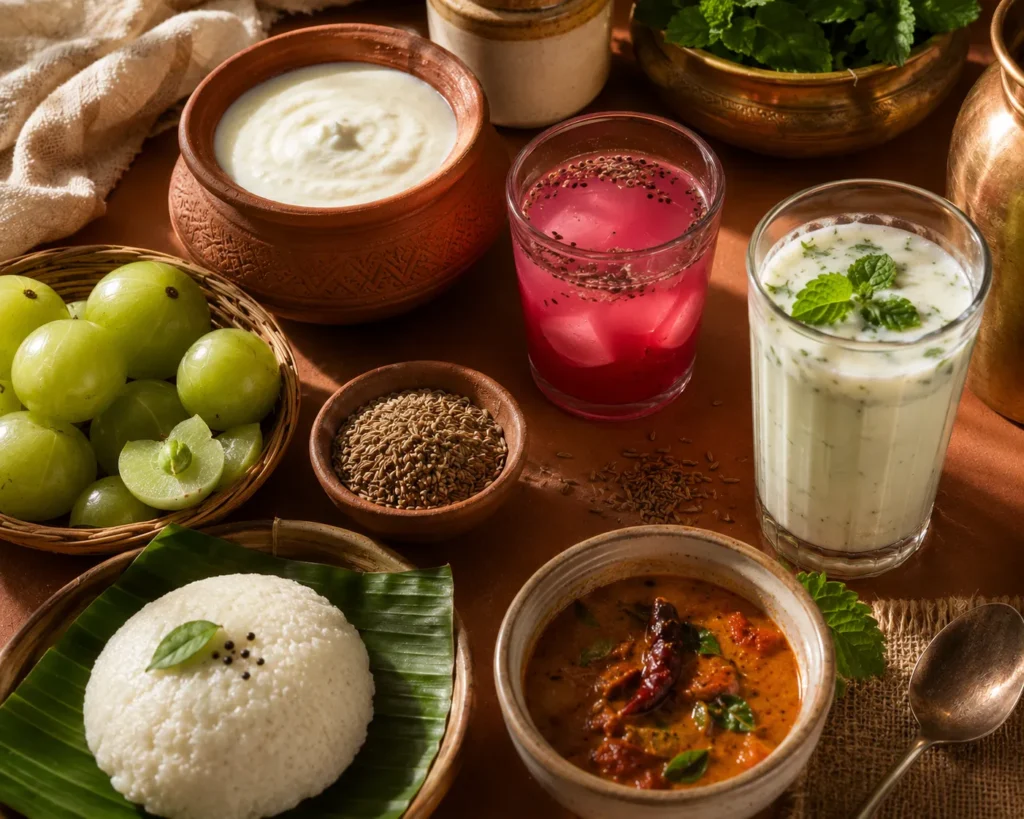

Here’s something most of us don’t think about until something goes wrong — your gut is running the show. Not just digestion, but your energy levels, your skin clarity, your mood, your immunity, even your hormonal balance. The gut-brain axis is real, the gut-skin connection is real, and the gut-hormone link is increasingly well-documented in research.
The beautiful thing for us, as Indians, is that our traditional cuisine is genuinely one of the most gut-friendly food cultures in the world. Dahi, kanji, idli, chaas, haldi, jeera — these aren’t just comfort foods. They are, quite literally, some of the most powerful gut-healing ingredients science knows about. We just stopped calling them that.
This guide brings it all together — the best Indian foods for gut health, why they work, and how to actually include them in your daily routine without overhauling everything you eat.
Why Gut Health Matters More Than You Think
Your gut is home to trillions of microorganisms — bacteria, fungi, and viruses — collectively called the gut microbiome. When this microbiome is balanced and diverse, everything works: digestion is smooth, immunity is strong, skin is clear, and energy is stable.
When the microbiome is disrupted — by stress, antibiotics, processed food, irregular eating habits, or poor sleep — you get what’s called dysbiosis. And dysbiosis doesn’t just mean bloating and constipation. It shows up as skin breakouts, hormonal irregularities, brain fog, constant fatigue, and a weakened immune response.
For Indian women specifically, gut health is closely tied to:
- Skin health — a disrupted gut microbiome is one of the leading triggers of adult acne and dull skin
- Hormonal balance — the gut processes and eliminates used hormones like oestrogen; a sluggish gut means hormones recirculate instead of being excreted
- Mental health — around 90% of serotonin (your feel-good hormone) is produced in the gut, not the brain
The good news? You can meaningfully improve your gut health in 2–4 weeks just by changing what you eat. And if you’re Indian, most of what you need is already in your kitchen.
Best Indian Foods for Gut Health
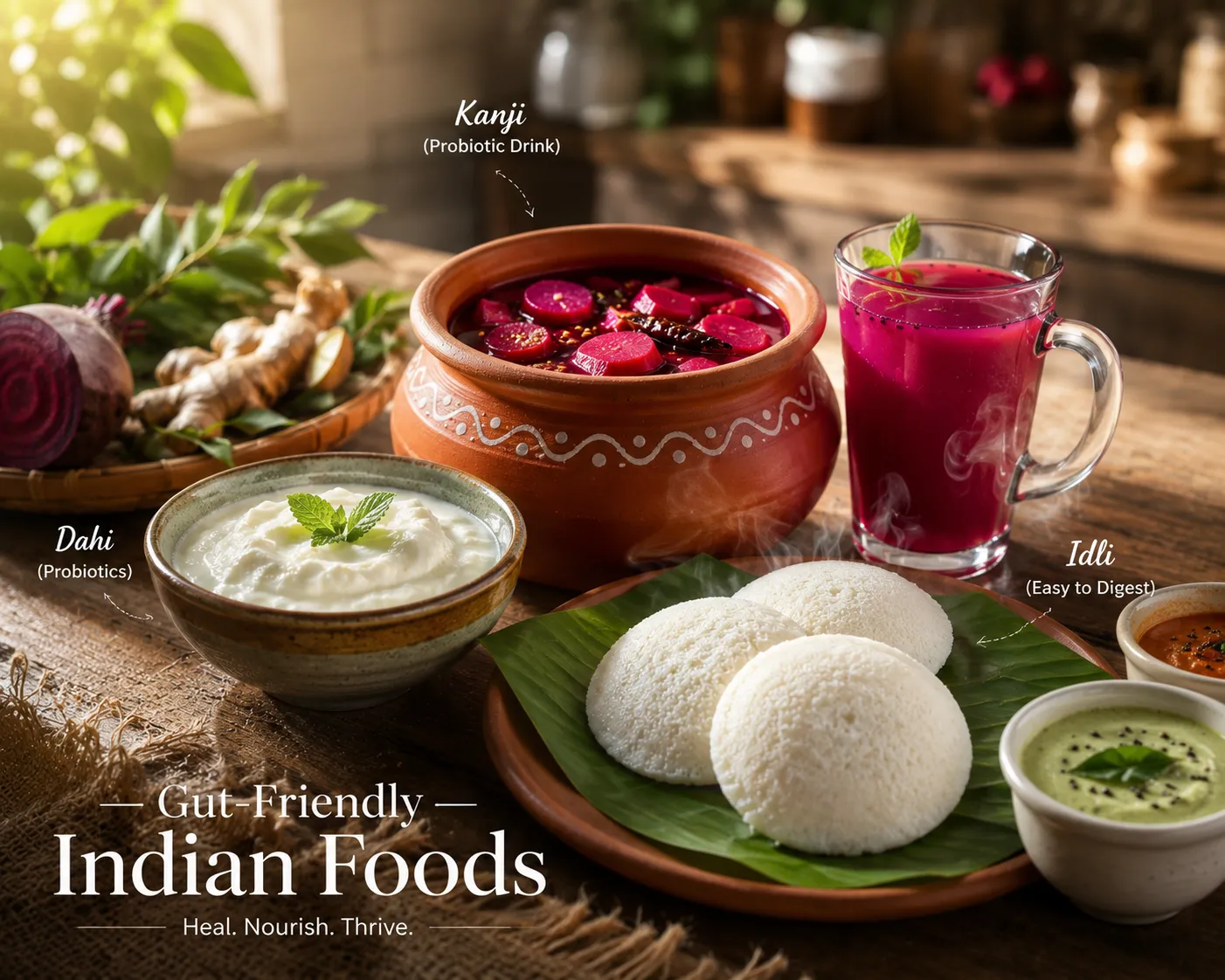
1. Dahi (Curd / Yoghurt) — Your Daily Probiotic
Dahi is perhaps the single most powerful gut-health food in the Indian diet — and it’s been sitting on our thalis for centuries without us fully appreciating what it does.
Dahi is a natural probiotic, packed with live cultures of Lactobacillus bacteria that colonise the gut and help restore microbial balance. Regular consumption has been shown to improve digestion, reduce bloating, strengthen the gut lining, and even improve skin clarity through the gut-skin axis.
How to include it daily: A small bowl of fresh, homemade dahi with lunch is the simplest habit. Avoid flavoured store-bought yoghurt — the sugar content cancels out most probiotic benefits. If you want a store-bought option, Epigamia Plain Greek Yoghurt and Mother Dairy Set Dahi are reliable choices.
Ayurvedic note: According to Ayurveda, dahi is best eaten at lunch, not dinner, as it is considered heavy and heating for the digestive system when consumed at night. If you want the probiotic benefits in the evening, switch to chaas (buttermilk) instead — lighter, easier to digest, and equally beneficial.
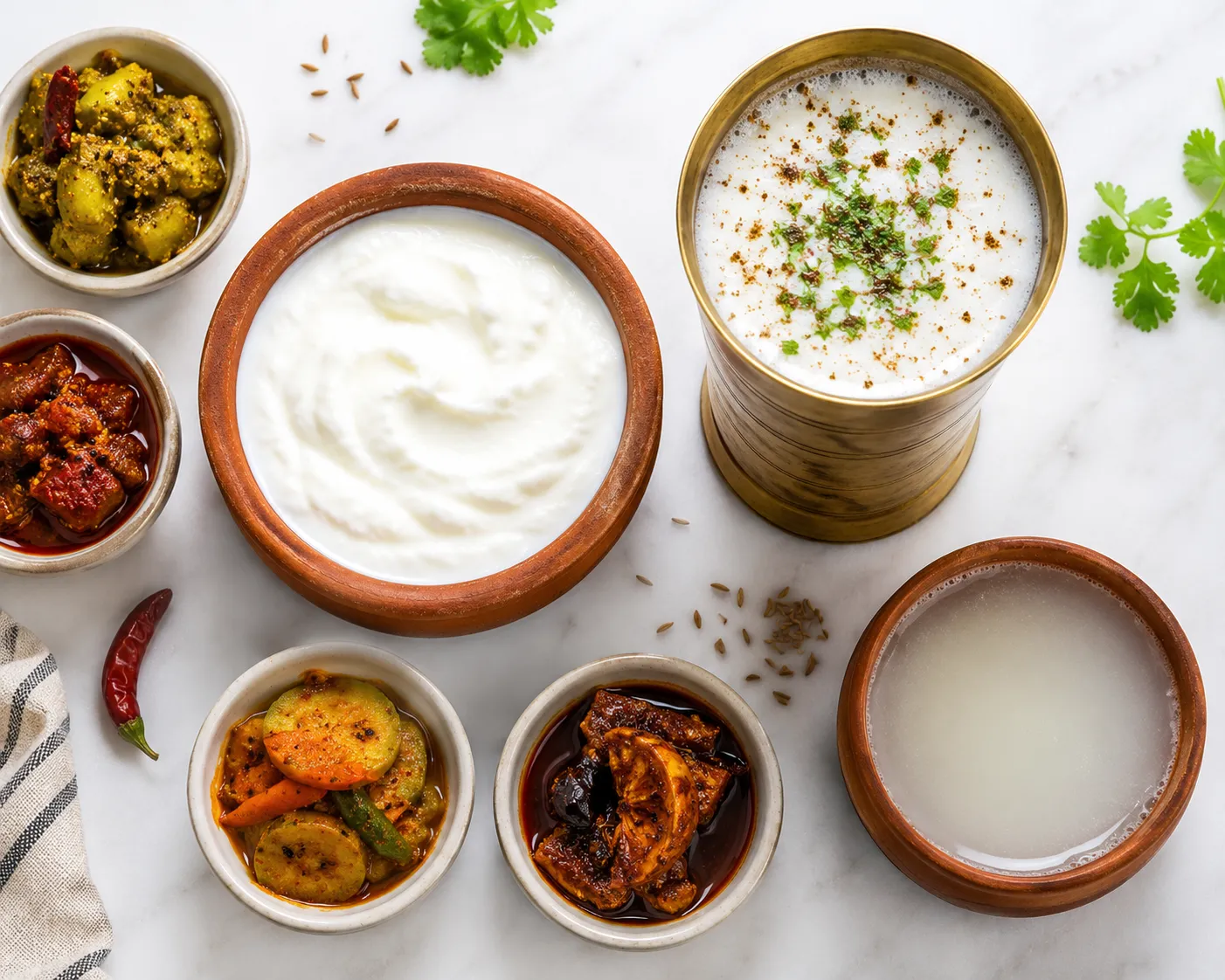
2. Kanji — The Forgotten Probiotic Drink
Kanji is one of India’s most underrated gut-health foods — a traditional fermented drink made from black carrots (or beetroot), mustard seeds, and water, left to ferment for 2–3 days. It’s deeply probiotic, rich in naturally occurring beneficial bacteria, and has been consumed across North India as a digestive tonic for centuries.
Unlike kombucha (which has become trendy and expensive), kanji costs almost nothing to make at home and delivers comparable probiotic benefits.
How to make basic kanji:
- 4–5 black carrots (kali gajar), cut into thin sticks
- 1 litre filtered water
- 1 tbsp black mustard seeds (rai), coarsely ground
- 1 tsp salt
- ½ tsp red chilli powder (optional)
Combine everything in a clean glass jar. Cover with a muslin cloth and leave in a warm place for 2–3 days, stirring once daily. When it smells pleasantly tangy, it’s ready. Strain and drink one small glass daily.
Best time to have it: Morning, on an empty stomach or before meals, for maximum gut benefit.
3. Idli and Dosa — Fermented Goodness on Your Plate
Here’s something that might change how you look at your breakfast idli: idli and dosa batter is fermented, which means it contains naturally occurring probiotics and prebiotics from the fermentation process.
The fermentation of rice and urad dal increases the bioavailability of nutrients, produces beneficial organic acids, and introduces gut-friendly bacteria into your system. Idli is also incredibly easy to digest — it’s one of the few foods that’s simultaneously probiotic, light on the digestive system, and nutritionally dense.
The gut-health angle: The combination of rice (a prebiotic) and fermented urad dal (probiotic) in idli essentially delivers a synbiotic — food that contains both prebiotics and probiotics together. This is what expensive probiotic supplements try to replicate.
Tips for maximum gut benefit: Use traditionally fermented batter (ideally fermented for 12–16 hours at home, not store-bought batter that often contains added yeast) and avoid eating idli with very heavy, oily chutneys that can burden the digestive process.
4. Chaas (Buttermilk) — The Summer Digestive Tonic
Chaas is essentially diluted, spiced dahi — and it’s one of the most gut-soothing drinks in Indian cuisine. It’s lighter than dahi, easier to digest, and the addition of jeera (cumin), hing (asafoetida), and pudina (mint) turns it into a genuine digestive powerhouse.
- Jeera stimulates digestive enzymes and reduces bloating
- Hing is one of the most effective natural remedies for gas and IBS symptoms
- Pudina relaxes the muscles of the digestive tract and eases cramping
In Ayurveda, chaas is specifically recommended for pacifying Pitta dosha — the fire element that gets aggravated in summer and causes digestive inflammation, acidity, and skin flare-ups.
How to make it: Whisk 4 tablespoons of fresh dahi with 1 glass of cold water. Add a pinch of roasted jeera powder, a pinch of black salt, a pinch of hing, and a few torn pudina leaves. Mix and drink after meals.
5. Haldi (Turmeric) — The Anti-Inflammatory Gut Healer
Turmeric’s active compound — curcumin — is one of the most extensively studied natural anti-inflammatories in the world. And inflammation in the gut lining is at the root of most digestive disorders, from IBS to leaky gut syndrome.
Regular consumption of haldi helps reduce gut inflammation, supports the growth of beneficial gut bacteria, and improves the integrity of the intestinal lining — which is what prevents toxins from “leaking” into the bloodstream and causing systemic inflammation (showing up as skin issues, fatigue, and joint pain).
How to include it: Golden milk (haldi doodh) before bed is the most effective delivery method — the fat in milk helps absorb curcumin, and the nighttime timing allows it to work during the body’s natural repair cycle. Add a pinch of black pepper — piperine in pepper increases curcumin absorption by up to 2,000%.
6. Jeera (Cumin) — The Digestive Enzyme Activator
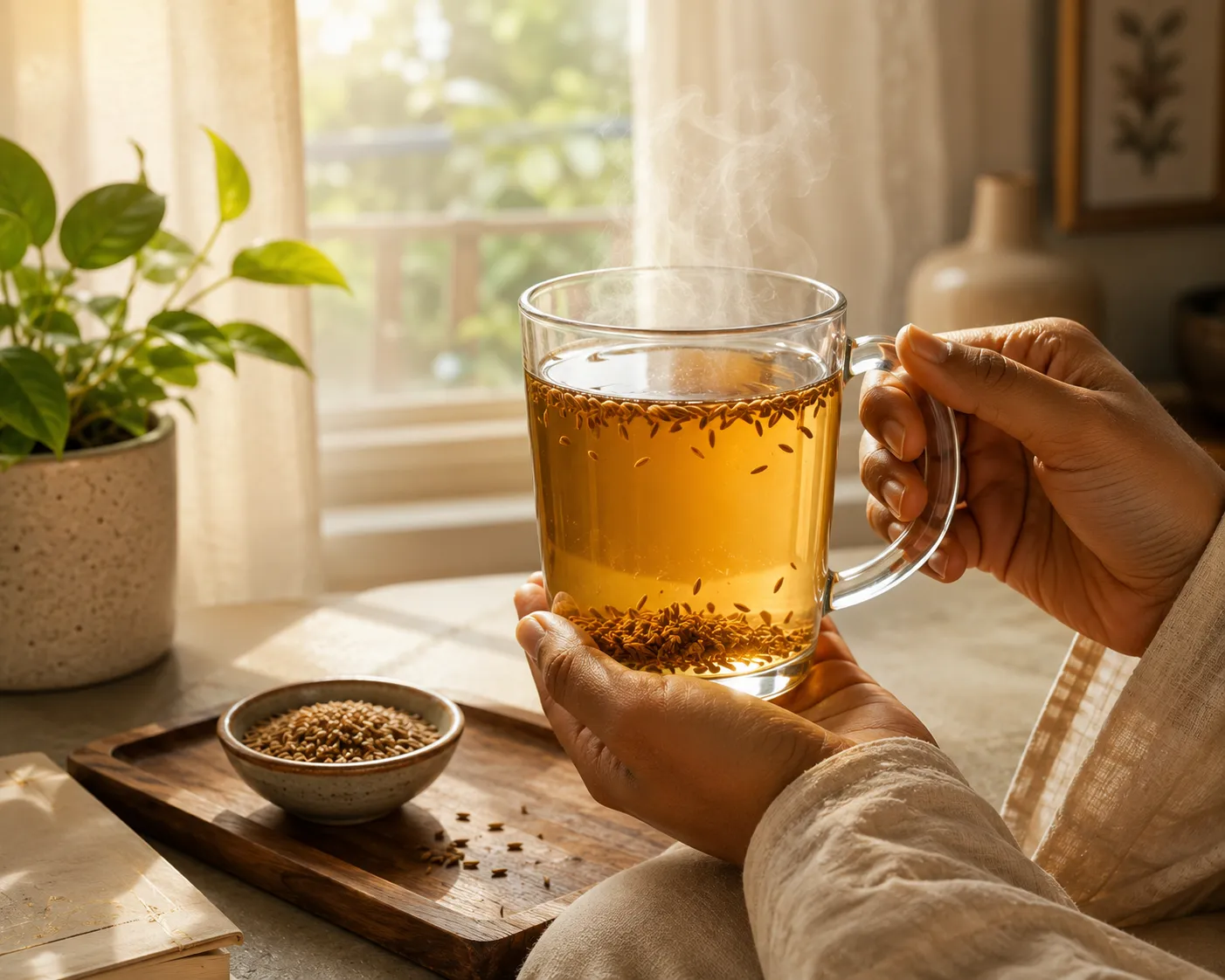
Jeera is perhaps the most underrated digestive ingredient in Indian cooking. It stimulates the secretion of digestive enzymes from the pancreas, reduces gas and bloating, and has been shown in studies to significantly improve symptoms of IBS when consumed regularly.
Jeera water — simply cumin seeds soaked overnight in water and drunk first thing in the morning — is one of the simplest and most effective gut-health habits you can build.
How to make jeera water: Soak 1 teaspoon of jeera in a glass of water overnight. In the morning, strain and drink on an empty stomach. You can also boil the jeera in water for 5 minutes, cool, and drink.
Quick 5-Minute Practice ✨ The “Gut Reset Morning” — try this for 7 days in a row: wake up and drink one glass of jeera water (made the night before) on an empty stomach. Wait 20 minutes, then have a bowl of fresh dahi or a glass of chaas with breakfast. This two-step morning habit delivers prebiotics, probiotics, and digestive enzyme activation all before 9am — and most people notice reduced bloating and improved energy within 4–5 days.
7. Sabut Dal and Legumes — Prebiotic Powerhouses
While probiotics get all the attention, prebiotics are equally important — these are the fibres that feed your beneficial gut bacteria and help them thrive. And Indian dal is one of the richest prebiotic foods available.
Sabut masoor dal, chana, rajma, and moong dal are all high in resistant starch and soluble fibre — exactly what your gut microbiome feeds on. The key is eating them in their whole form (sabut) rather than heavily processed versions, and cooking them without excessive tempering that strips their fibre content.
Best choices for gut health: Sabut moong (whole green gram), sabut masoor, and kabuli chana. Include at least one dal-based dish in your meals daily.
8. Amla (Indian Gooseberry) — The Gut-Skin Superstar
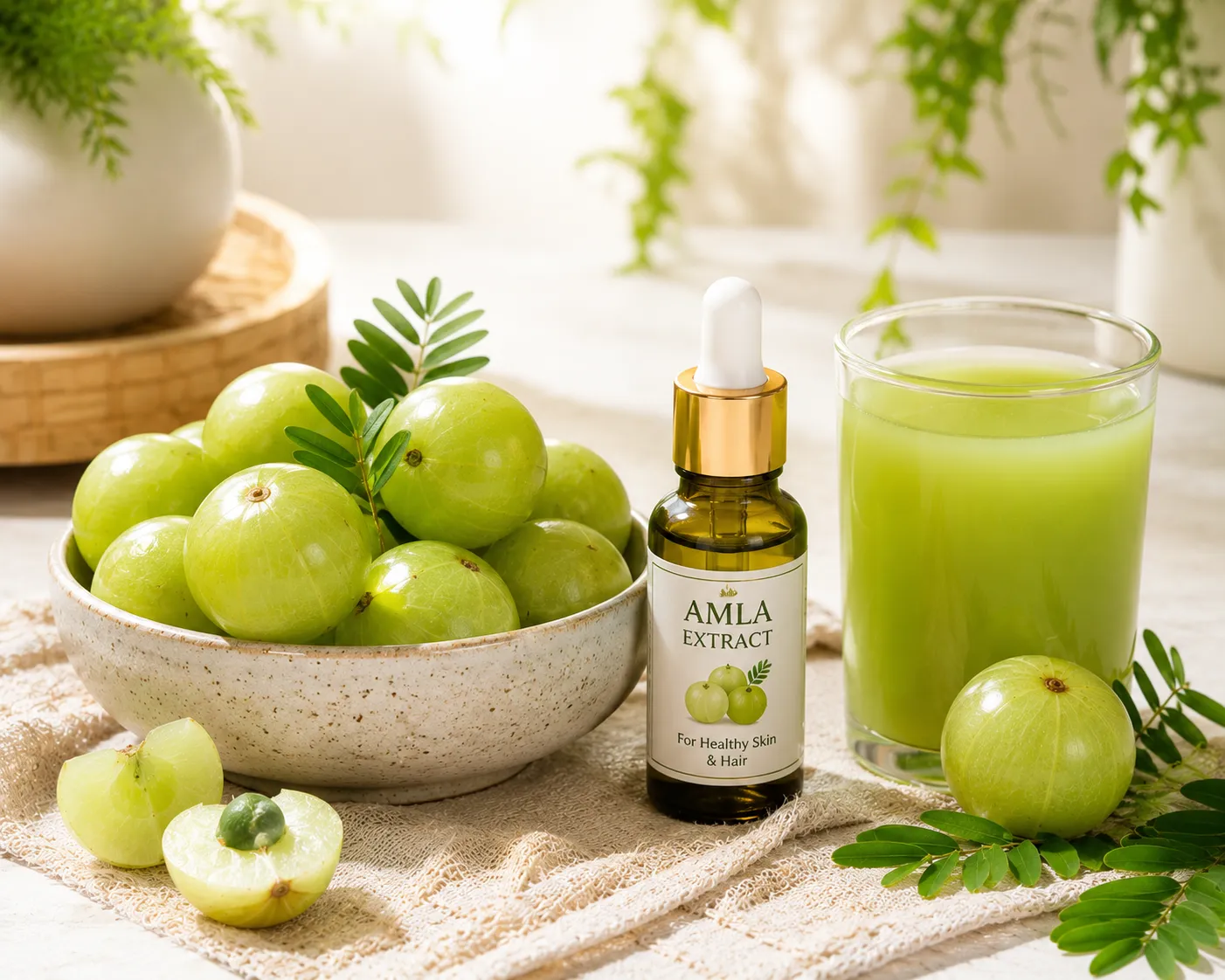
Amla deserves its own category entirely. It’s the richest natural source of Vitamin C available — containing 20 times more than an orange — and it has profound benefits for gut health specifically. Amla strengthens the gut lining, acts as a prebiotic, reduces acid reflux, and has been used in Ayurveda as a digestive rejuvenator (known as a “rasayana”) for thousands of years.
The gut-skin connection makes amla particularly powerful for CGlows’ readers — improved gut health from regular amla consumption shows up directly on the skin as better clarity, reduced breakouts, and a natural glow.
How to include it: Fresh amla is available through winter and spring. In summer, amla powder (available at Patanjali and online), amla juice (Baidyanath and Dabur make reliable options), or amla candy work equally well. A teaspoon of amla powder in warm water every morning is a simple daily habit.
9. Coconut — Prebiotic and Antifungal
Fresh coconut — the one we use in South Indian curries, chutneys, and sweets — contains medium-chain fatty acids (particularly lauric acid) that have proven antifungal and antimicrobial properties in the gut. They selectively target harmful bacteria and fungi without disrupting beneficial flora.
Coconut water is also a natural electrolyte drink that rehydrates the gut lining and supports smooth digestive motility — particularly valuable in Indian summers when dehydration slows digestion.
Easy inclusion: Fresh coconut chutney with idli or dosa, a glass of fresh naariyal paani daily, or adding scraped coconut to your curries and dals.
Foods That Hurt Gut Health — Avoid or Reduce These
Building a gut-healthy diet isn’t just about adding good foods — it’s also about reducing the ones that work against your microbiome:
Refined sugar feeds harmful gut bacteria and yeast, disrupting microbial balance. Maida (refined flour) — used heavily in biscuits, bread, and most packaged snacks — has the same effect.
Excessive chai and coffee on an empty stomach increases stomach acid and irritates the gut lining. If you can’t skip your morning chai, have it after eating something small.
Antibiotics (when taken without medical necessity) wipe out both harmful and beneficial gut bacteria indiscriminately. Always pair antibiotic courses with probiotic-rich dahi or a probiotic supplement.
Late and heavy dinners slow gut motility because digestion naturally slows at night. Ayurveda recommends finishing dinner by 7–8 PM for optimal digestive health.
Frequently Asked Questions
How long does it take to improve gut health through diet?
Research shows that dietary changes can measurably shift your gut microbiome composition within 3–5 days. However, meaningful, lasting improvement in symptoms like bloating, irregular digestion, and skin clarity typically takes 3–6 weeks of consistent dietary changes. Some people notice a difference within a week.
Is dahi good for gut health every day?
Yes — daily consumption of fresh, homemade dahi is one of the most evidence-backed dietary habits for gut health. The key is consistency. One bowl daily at lunch provides a steady supply of beneficial Lactobacillus bacteria that helps maintain microbial balance over time.
What is the best probiotic food in India for gut health?
Dahi is the most accessible and well-studied. Kanji is arguably more potent as a probiotic drink due to its wild fermentation process. Idli and dosa batter (traditionally fermented) are excellent synbiotics. For convenience, dahi wins — it’s available everywhere and easy to incorporate daily.
Can gut health affect skin?
Significantly yes. The gut-skin axis is a well-documented connection in dermatology research. An imbalanced gut microbiome contributes to systemic inflammation that manifests on the skin as acne, rosacea, dullness, and accelerated ageing. Improving gut health is one of the most effective long-term strategies for clear, glowing skin.
Is there a connection between gut health and hormonal balance in women?
Yes — this connection is called the estrobolome. The gut microbiome contains specific bacteria that metabolise and regulate oestrogen levels in the body. When the gut is dysbiotic, oestrogen metabolism is disrupted, contributing to hormonal imbalances like PCOS, irregular periods, PMS, and perimenopausal symptoms.
Should I take a probiotic supplement or get probiotics from food?
Food-based probiotics are generally preferred over supplements because they come packaged with other nutrients, prebiotics, and compounds that support their effectiveness. Supplements are useful when recovering from an antibiotic course or dealing with a specific digestive disorder — in those cases, look for a multi-strain supplement with at least 10 billion CFU.
The Bottom Line
Indian cuisine isn’t just delicious — it’s genuinely one of the most gut-intelligent food traditions in the world. Dahi, kanji, idli, chaas, jeera, amla, haldi — these ingredients have been healing Indian digestive systems for millennia, and modern science is now confirming exactly why they work.
You don’t need an expensive supplement stack or a complicated elimination diet to improve your gut health. Start with what you already eat. Add a bowl of dahi at lunch. Drink jeera water in the morning. Make chaas after dinner instead of reaching for a packaged drink. These small, consistent shifts compound into meaningful change — in your digestion, your energy, your skin, and your overall wellbeing.
Your gut has been waiting for you to pay attention. Start today.
Also read on CGlows:
- [Benefits of Drinking Jeera Water on Empty Stomach]
- [Signs of Hormonal Imbalance in Women — What Your Body Is Telling You]
- [ Morning Routine for Women to Feel Energised All Day]
Disclaimer: This article is for general informational and educational purposes only. It is not a substitute for professional medical or nutritional advice. If you have a diagnosed digestive condition, please consult your doctor or a registered dietitian before making significant dietary changes.
Discover more from CGlows
Subscribe to get the latest posts sent to your email.