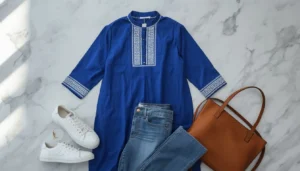
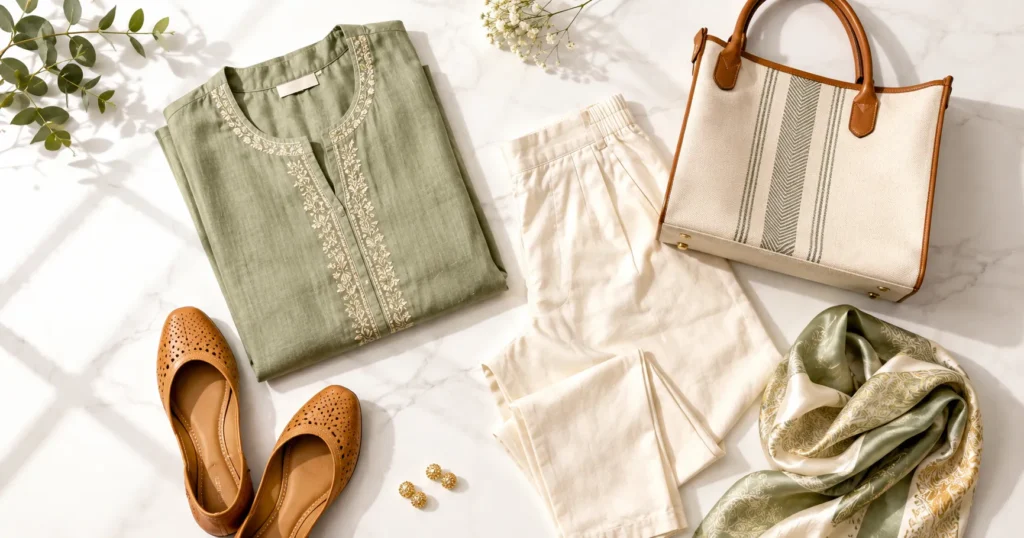

Getting dressed for office during the Indian monsoon is its own special challenge. You want to look put-together and professional. You also don’t want to arrive at your desk looking like you stepped through a waterfall. Add a 45-minute commute dodging puddles in an open auto or a packed metro that smells of wet umbrellas, and the task of dressing well starts to feel genuinely impossible.
But here’s the thing — it’s not. It’s just about knowing which fabrics, silhouettes, and combinations actually work in Indian rain and humidity versus which ones only look good on Pinterest before they’ve met a surprise afternoon downpour.
This guide covers everything — the fabrics that stay fresh through a wet commute, the outfit formulas that look polished even after getting caught in the rain, the best indo-western combinations for modern Indian workplaces, and real outfit ideas across different budgets. All of it India-specific, all of it monsoon-tested.
Why Monsoon Office Dressing Is Harder in India Than Anywhere Else
Before the outfits, it helps to understand what you’re actually dressing for — because Indian monsoon office dressing has constraints that most fashion content (written largely for Western climates) simply doesn’t account for.
Rain is unpredictable — and relentless. You leave home in overcast but dry weather, and by noon you’re caught in a heavy downpour on the way back from lunch. An outfit that looks polished in the morning can be damp and clinging by afternoon. Fabrics that absorb moisture slowly and dry quickly are not a luxury in monsoon — they’re a necessity.
Humidity is the real enemy. Even when it isn’t raining, the Indian monsoon brings humidity levels of 80–95% in most cities. Synthetic fabrics cling, natural fabrics breathe — and the difference between the two is the difference between looking fresh at 5 PM and looking like you’ve been wrung out.
Puddles, mud, and commute chaos. Whether you’re navigating flooded roads in an auto, standing in a metro with everyone’s wet umbrellas, or hopping across puddles in heels — the Indian monsoon commute is an obstacle course. Footwear, hem lengths, and fabric weight all need to factor this in.
Dress codes vary wildly. A startup in Bengaluru, a bank in Bhubaneswar, a law firm in Mumbai, and a government office in Delhi all have completely different expectations of professional dress. The formula isn’t one-size-fits-all — but the fabric rules are universal.
With that context, here are the strategies and outfits that actually work.
The Golden Rule: Fabric First, Style Second
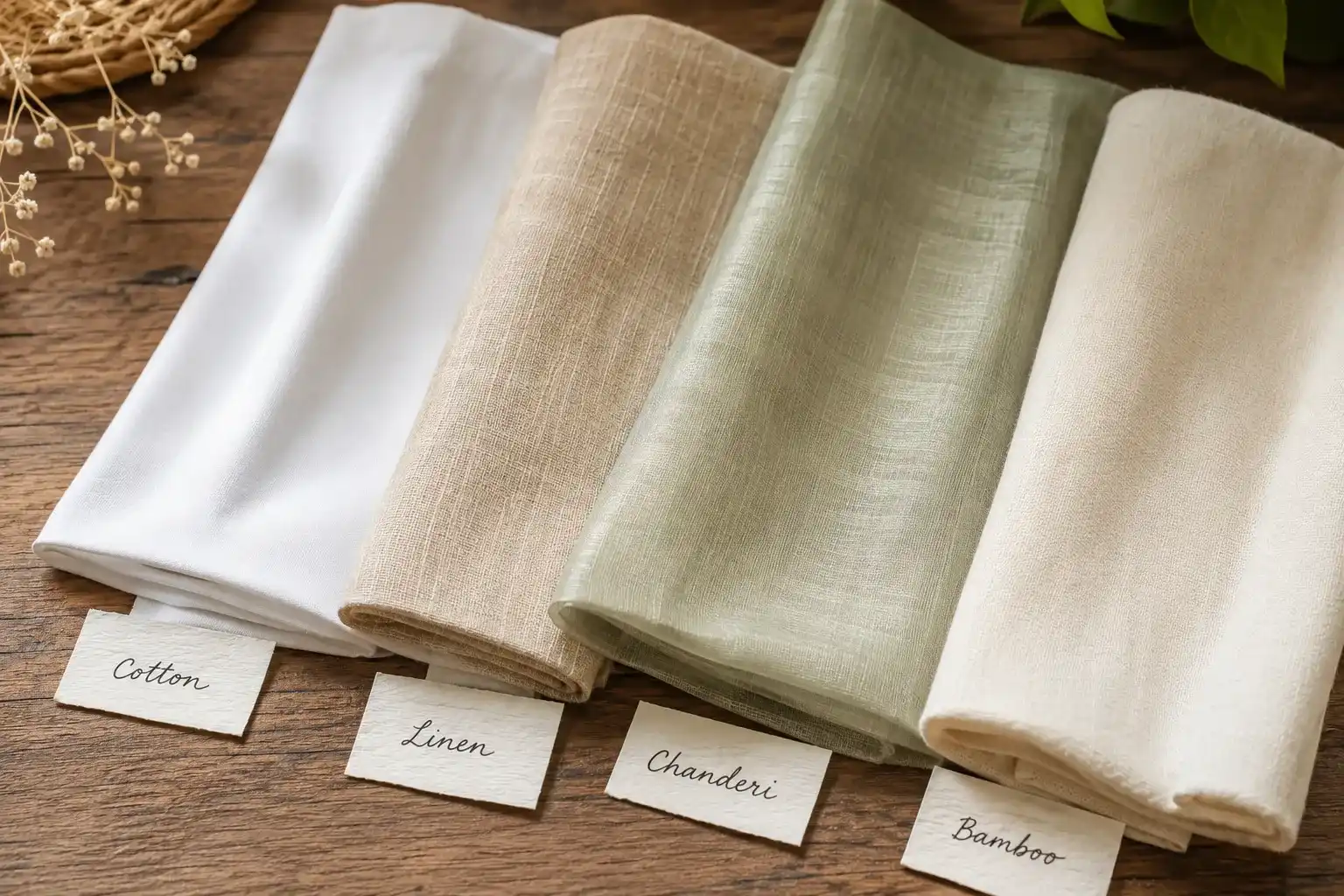
In the Indian monsoon, the fabric you choose matters infinitely more than the silhouette or colour. The most stylish outfit in the wrong fabric will leave you damp, clingy, and uncomfortable by mid-morning. A simple kurta in the right material will keep you looking presentable through rain, humidity, and a full workday.
Fabrics That Work in Indian Monsoon
Cotton (quick-dry variety) — Cotton remains a reliable monsoon fabric, but choose tightly woven cottons like poplin and cambric rather than loosely woven handloom cotton, which absorbs too much moisture and takes too long to dry. Cotton-synthetic blends that are marketed as “quick-dry” are increasingly practical for monsoon commutes.
Synthetic blends with moisture-wicking properties — Unlike pure polyester (which traps heat and smells), quality moisture-wicking synthetic blends — the kind used in athleisure and workwear — actually perform very well in monsoon humidity. They dry fast, don’t cling when wet, and hold their shape. Look for labels that say “moisture-wicking,” “quick-dry,” or “anti-microbial.”
Georgette (synthetic is actually fine here) — In the monsoon specifically, lightweight synthetic georgette is a reasonable choice — it dries faster than natural georgette and doesn’t hold water weight. The key is keeping it lightweight and not heavy.
Bamboo fabric — Naturally antibacterial (important when humidity is high and fabrics stay damp), moisture-wicking, and incredibly soft. One of the best monsoon fabric investments you can make. Excellent for inner layers and kurtas.
Crepe — Lightweight crepe dries relatively quickly, doesn’t cling badly when damp, and maintains its drape. A good middle ground between comfort and polish in the monsoon office.
Fabrics to Strictly Avoid in Monsoon Office
- Heavy cotton and thick linen — Absorbs water like a sponge, takes all day to dry, becomes heavy and uncomfortable when damp. Save these for drier months.
- Raw silk and pure silk — Water leaves permanent marks on silk. One rain splash can ruin a beautiful silk kurta. Strictly avoid during monsoon.
- Velvet, brocade, and heavy embroidery — Water damage and humidity ruin the texture of these fabrics. Keep them safely in your wardrobe until winter.
- White and very light colours in thin fabrics — In monsoon rain, thin white cotton becomes see-through when wet. Choose slightly thicker weaves or avoid pure white entirely during peak monsoon months.
8 Office Outfit Formulas That Work in Indian Monsoon 2026
1. The Classic Straight Kurta + Trouser Combination
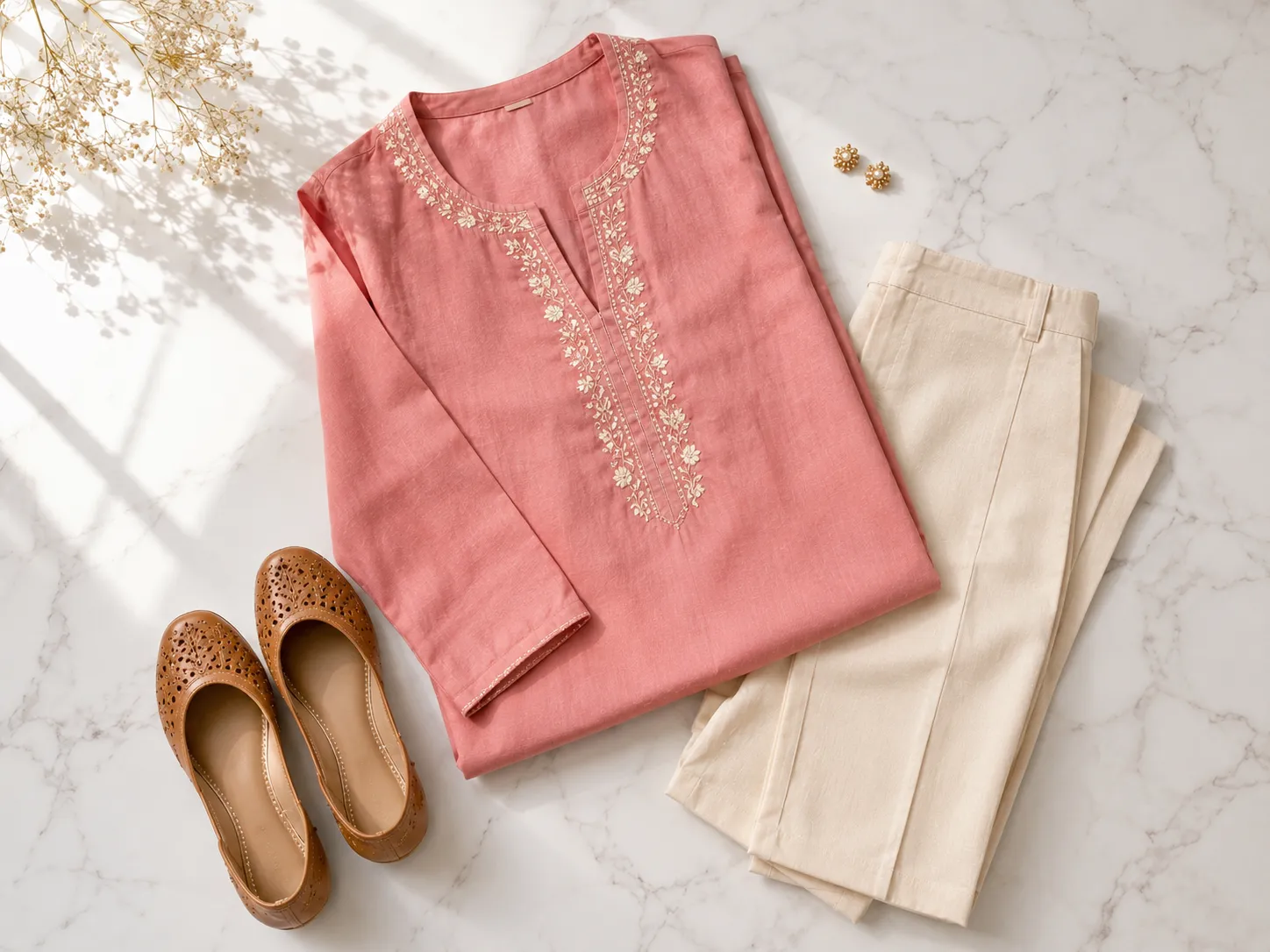
This is the most versatile, most office-appropriate Indian monsoon outfit — and it works across virtually every workplace dress code from conservative to modern.
The formula: A well-fitted straight-cut cotton poplin or crepe kurta (knee-length or slightly above) in a solid or subtle print, paired with tailored cigarette trousers or slim straight-leg pants in a complementary colour. Keep the hem at or above the knee to avoid mud and puddle damage.
Why it works for monsoon: The knee-length cut keeps fabric away from puddles and wet roads. The straight silhouette doesn’t cling when humidity is high. Cotton poplin dries faster than handloom cotton, so even if you get caught in a drizzle, you’re not uncomfortable all day.
2026 monsoon update: Rich, moody jewel tones are having a major moment this monsoon season — deep teal, cobalt blue, plum, forest green, and rust. These not only look beautiful against the grey monsoon sky but also don’t show dampness or watermarks as obviously as light pastels do.
Budget options: W for Woman (₹899–1,299), Fabindia cotton kurtas (₹999–1,599), Biba (₹799–1,199).
2. The Cotton Co-ord Set
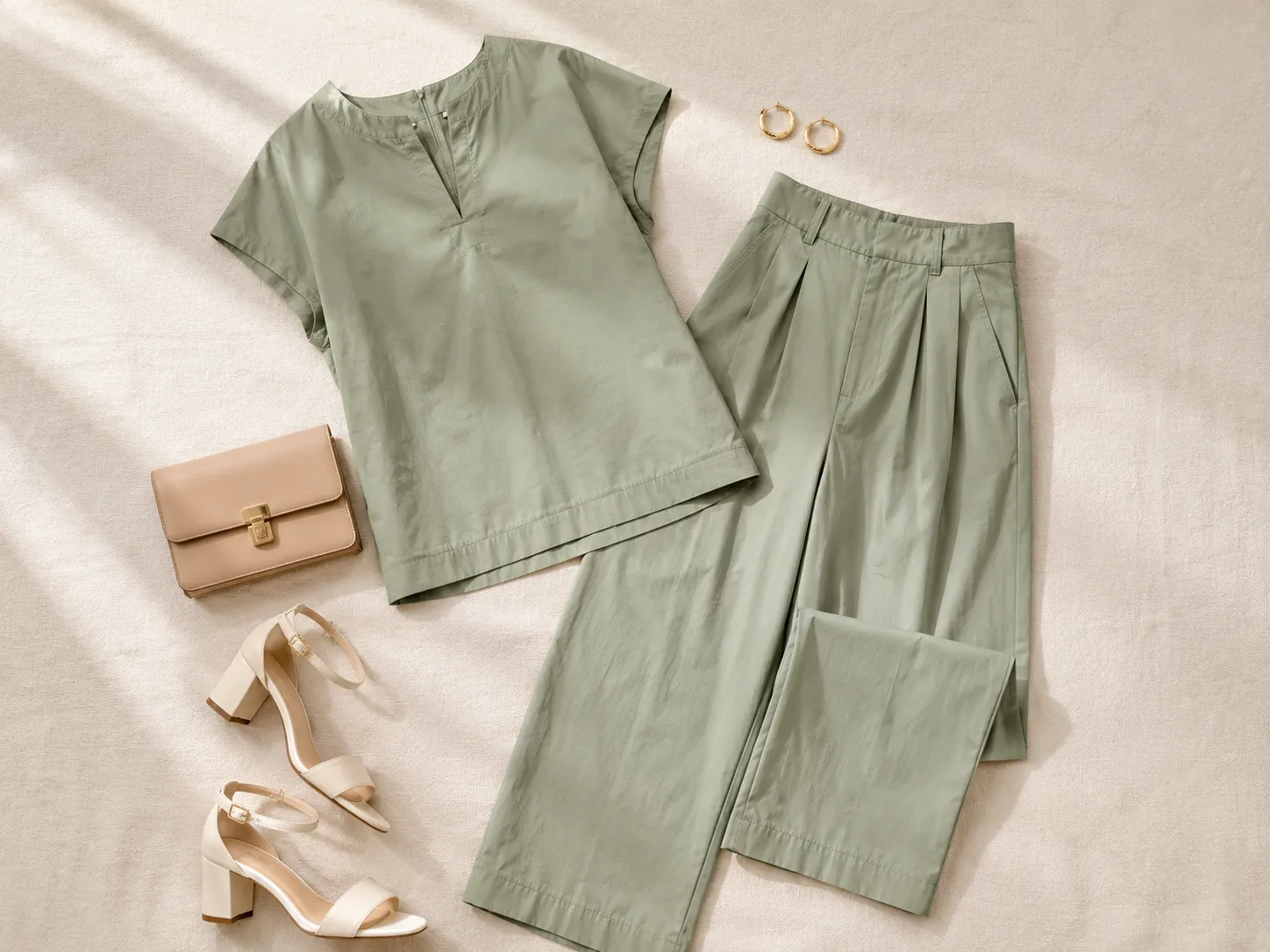
Co-ord sets — matching top and bottom in the same fabric and print — have moved firmly from casual to office-appropriate in most Indian workplaces over the past two years. In summer 2026, they are one of the smartest dressing shortcuts available.
Why they work for monsoon: Because the matching set reads as intentional and put-together even when you’ve made zero effort — which is exactly what you want on a rainy morning when thinking about outfit coordination feels like too much. A co-ord also means both pieces are in the same quick-dry fabric, so they behave consistently if you get caught in the rain.
The key to keeping co-ords office-appropriate: Choose structured fabrics (cotton poplin or linen-cotton blend rather than jersey), opt for subtle prints or solids rather than very bold patterns, and ensure the top is not cropped — a full-length top or short kurti style keeps it workplace-friendly.
Where to shop: Zara (₹1,990–2,990 for sets but often on sale), Mango (₹2,000–3,500), Urbanic (₹799–1,299), and increasingly on Myntra from brands like Anouk and Here & Now.
3. The Sleeveless Kurta + Blazer Combo
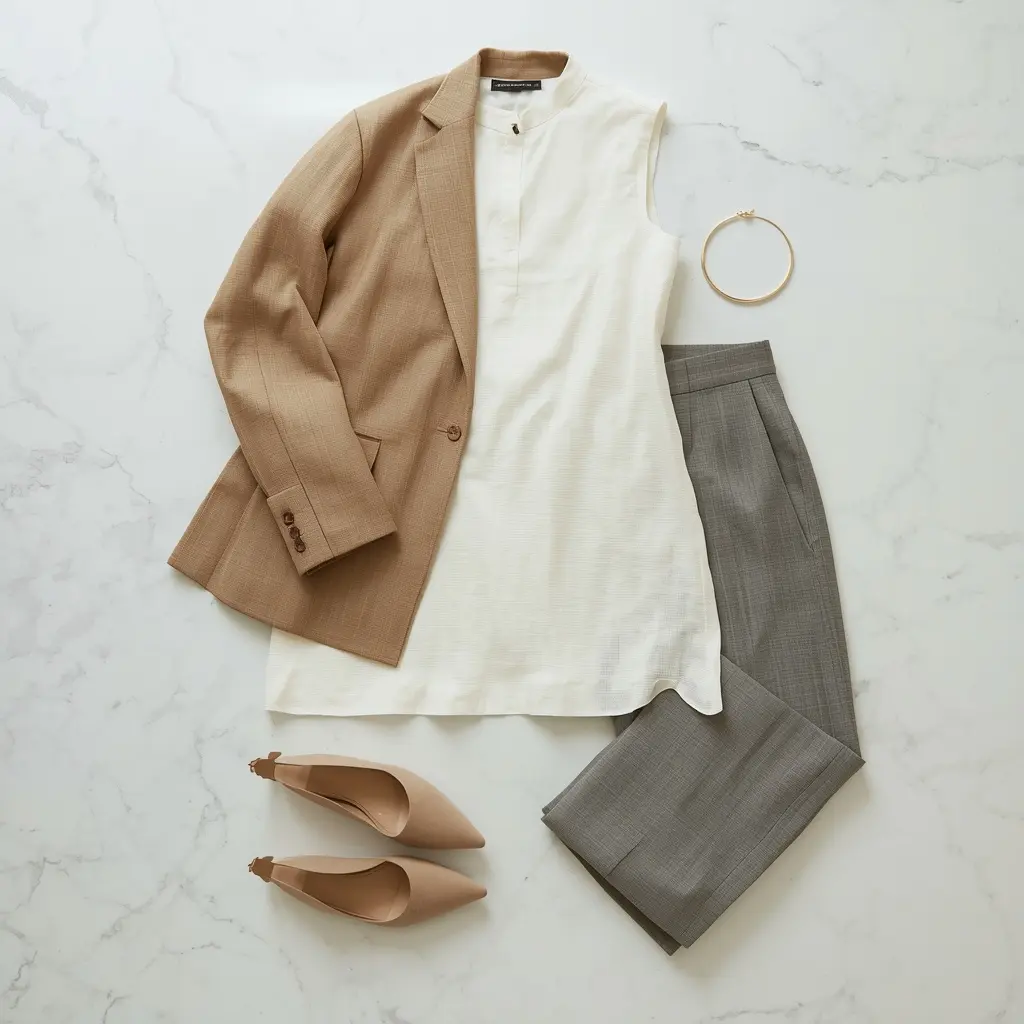
This is your power outfit for client meetings, presentations, or any day you need to look particularly authoritative — while staying practical in the rain.
The formula: A short-sleeved cotton or crepe kurta with a well-cut blazer thrown over it. The blazer goes on for the meeting or presentation, comes off at your desk. In monsoon, opt for a full sleeve kurta underneath so you stay warm in heavily air-conditioned offices.
The monsoon logic: The kurta layer handles the humidity and the commute. The blazer provides the polish indoors. And if it rains — the blazer comes off, gets folded into your bag, and the kurta underneath is work-appropriate on its own. One outfit, two weather settings.
2026 monsoon blazer choice: Choose blazers in polyester-blend or synthetic fabric rather than linen or heavy cotton — they’re water-resistant, dry faster, and hold their structure even in humidity. Navy, charcoal, and deep forest green blazers are particularly strong this monsoon season.
Options: AND (₹1,499–2,499 for blazers), Zara linen blazers (₹3,990 but quality lasts years), or secondhand on ThriftUnicorn and Relove for significant savings.
4. The Printed Cotton Shirt Dress
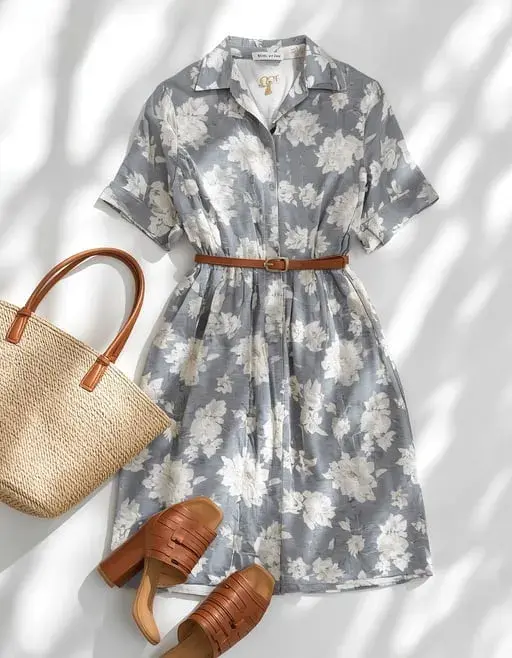
Shirt dresses in cotton or linen are one of the most underused office outfit options for Indian women in summer — and they deserve far more attention.
Why they work: One piece, complete outfit. No coordination required. The button-down structure reads professional. The dress silhouette is cooler than trousers on extremely hot days. Most importantly — a midi-length shirt dress is appropriate in virtually every Indian office environment.
2026 version: Floral prints in muted, sophisticated tones (not bright tropical prints), stripes, and subtle abstract patterns. Belted at the waist to add shape, or left open for a relaxed office vibe.
Style tip: Pair with block-heeled sandals or pointed-toe mules rather than flat chappals to keep it firmly in office territory. A structured tote bag completes the look.
Options: Marks & Spencer (₹1,799–2,999), H&M (₹1,499–2,499), Global Desi (₹1,199–1,799).
5. The Palazzo Kurta Set
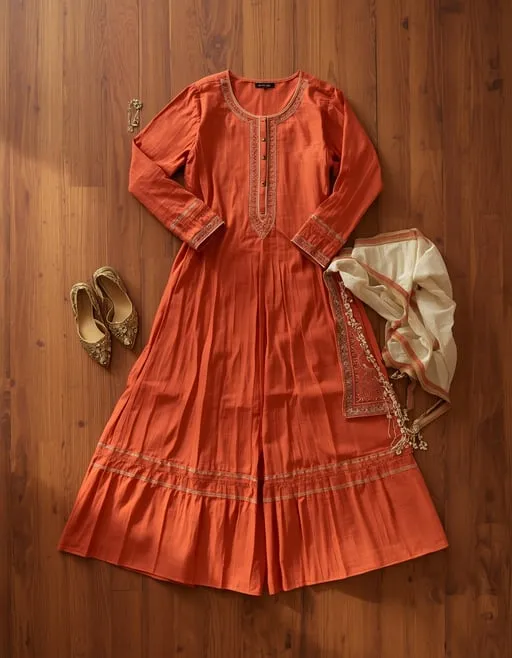
The palazzo kurta set is essentially the Indian woman’s power suit — endlessly comfortable, deeply breathable in cotton and georgette, and appropriate across every workplace from traditional to contemporary.
For summer 2026: Choose palazzo sets in lighter, breathable fabrics rather than the heavy synthetic sets that dominated a few years ago. Cotton palazzo sets from W, Biba, and Fabindia in solid colours or subtle prints are your best options. Chanderi palazzo sets add a touch of elegance for client-facing roles.
The proportion rule: If your kurta is long (thigh-length or longer), your palazzo can be wide and flowing. If your kurta is shorter (hip-length), choose a narrower wide-leg trouser to balance proportions.
6. The Indo-Western Fusion Outfit
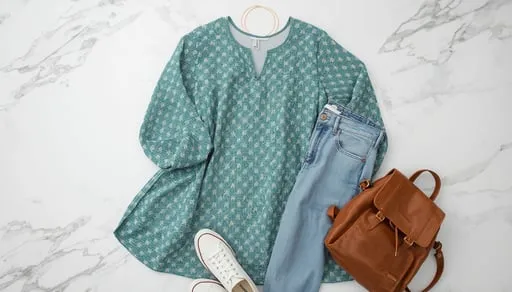
Modern Indian workplaces — particularly in metros, startups, media, and creative industries — have fully embraced indo-western dressing. This gives you an enormous amount of creative freedom that previous generations of working Indian women didn’t have.
Combinations that work in 2026:
- Printed cotton kurta top + straight-leg jeans — the kurta top should be hip-length and structured, the jeans light chambray or mid-wash rather than heavy dark denim.
- Linen wide-leg trousers + cotton embroidered crop top — works in progressive offices. Keep the top just below the waist rather than truly cropped.
- A-line cotton skirt (midi length) + tucked cotton kurta top — particularly flattering, and the skirt gives more airflow than trousers in extreme heat.
- Dhoti pants + fitted cotton shirt — fashion-forward, comfortable, and distinctly Indian in identity.
7. The Saree — For Special Days
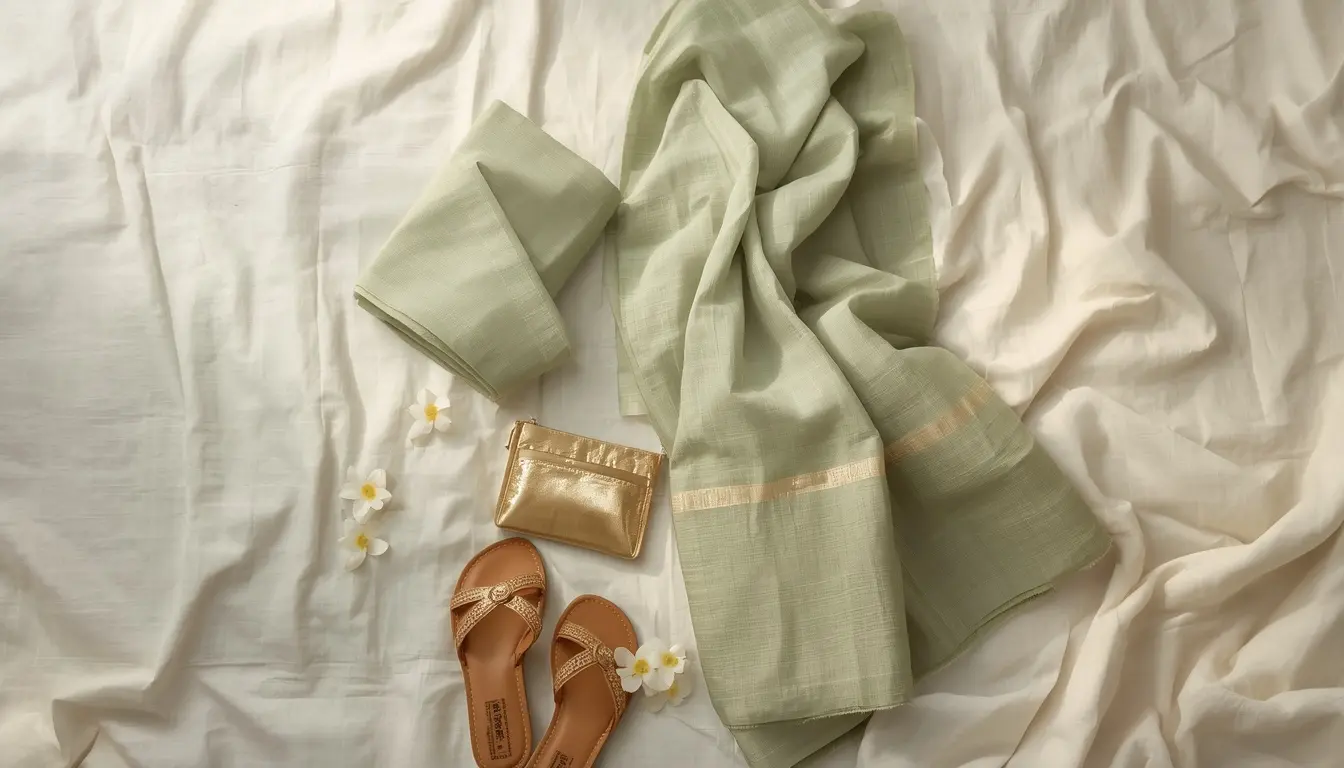
The saree often gets left at home on regular workdays because of the practical challenges of managing it in a commute — but it deserves its place in the summer office wardrobe for important days.
Best sarees for summer office in 2026: Linen sarees (increasingly popular and available from brands like Suta, Raw Mango, and Parama), cotton handloom sarees (Sambalpuri, Khadi, Kerala cotton), and light chanderi sarees. Avoid heavy silks and georgette sarees with heavy zari borders for daily office wear in summer.
The practical upgrade: Pre-stitched or ready-to-wear sarees from brands like Blouse Story and House of Pataudi give you the look of a draped saree with the ease of stepping in and pulling up. A significant time-saver on busy mornings.
8. The Summer Formal Suit — Reimagined
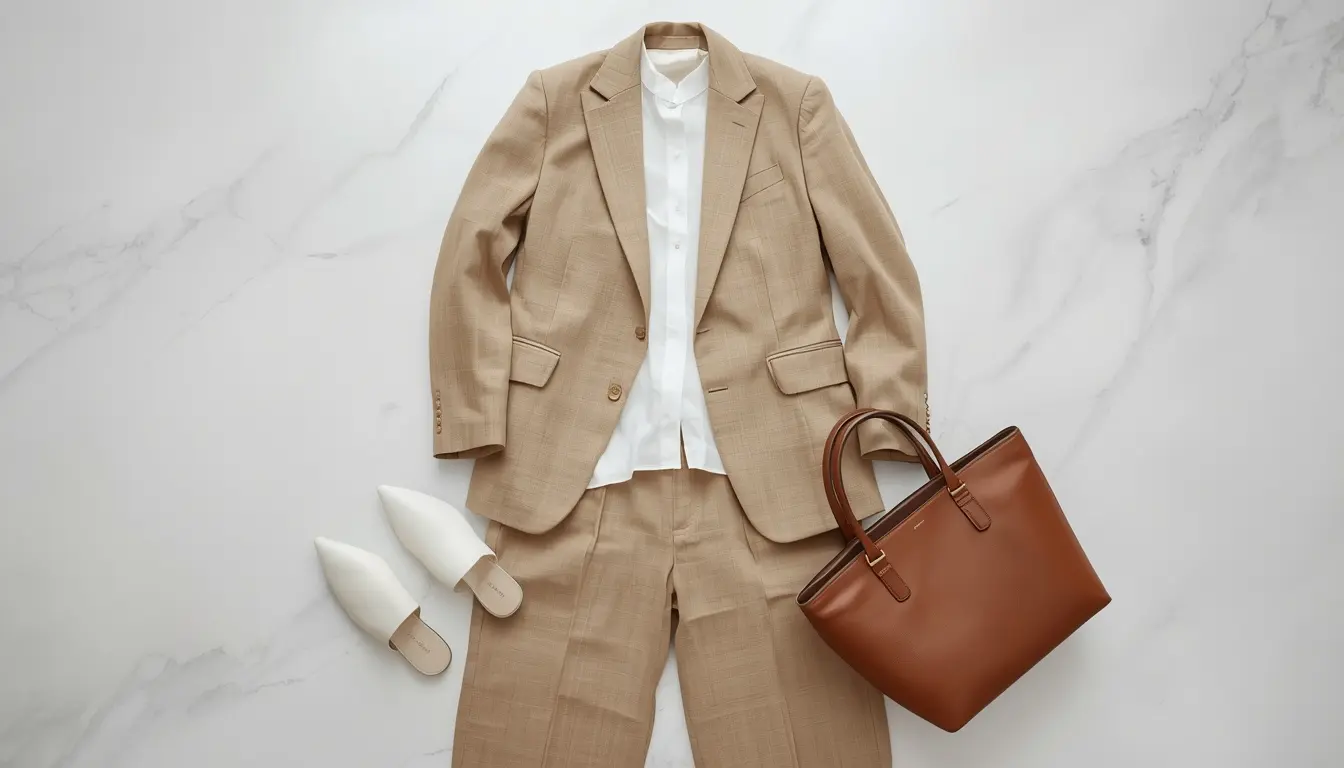
Traditional formal suits — blazer and trousers — in summer-appropriate fabrics are having a quiet comeback in Indian workplaces, particularly for women in finance, law, and corporate roles.
2026 version for Indian summer: Linen suits in natural tones (beige, light grey, dusty rose), cotton suits with a slight stretch for comfort, and — increasingly — suit sets where the jacket is replaced with a structured kurta-style top in matching fabric.
Keep the colour palette light and the fabric loose-woven. A dark navy polyester suit in 40°C heat is career dedication of a different kind entirely.
Quick 5-Minute Practice ✨ The “Sunday Night Monsoon Outfit Prep” — every Sunday evening, spend 5 minutes planning your outfits for the first three days of the working week. Check the weather forecast for each day, lay out your chosen outfits, and confirm each piece is fully dry and ready. This single habit eliminates the panicked monsoon morning where you discover your only clean kurta is still damp from yesterday. Planning on a calm Sunday evening means you’re never caught underprepared by a Tuesday downpour.
Summer Office Accessories That Make the Outfit
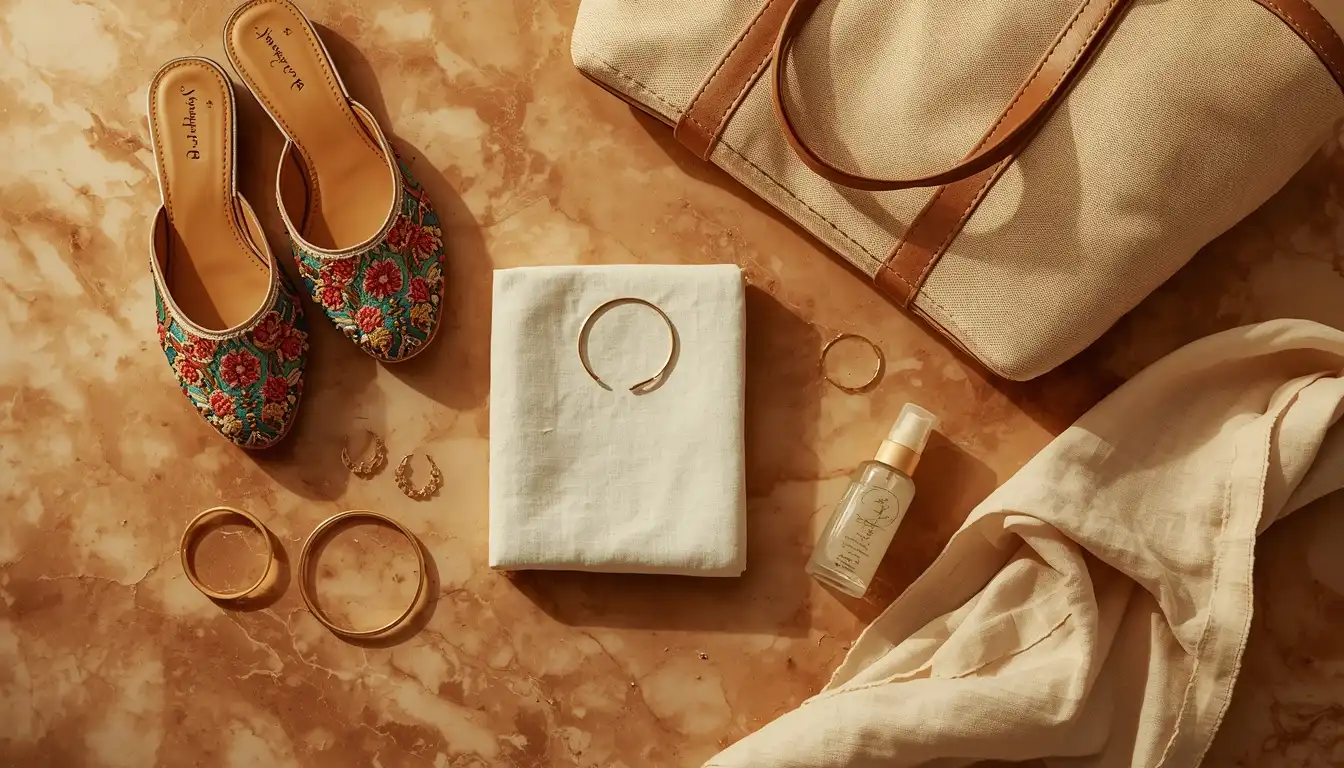
The right accessories in summer do something very specific — they elevate a simple, breathable outfit into something that reads polished and intentional.
Juttis and block-heeled sandals — The most practical summer office footwear. Breathable, comfortable for long days, and work with both ethnic and western office looks. Brands like Needledust, Fizzy Goblet, and Nappa Dori make beautiful options at ₹1,500–3,500.
Structured tote bags — A structured tote in canvas, jute-leather combination, or vegan leather keeps any outfit looking professional. The Lino Perros and Caprese ranges offer excellent quality under ₹1,500.
Stud earrings and minimal gold jewellery — In monsoon, less jewellery is always better. Heavy necklaces and dangling earrings can tangle with wet hair or get damp. Simple gold studs, a slim chain, or small hoops keep it professional and fuss-free through the rain.
A cotton or synthetic dupatta — not chiffon or silk — In more traditional workplaces where dupatta is expected, choose a cotton or light synthetic dupatta during monsoon. Chiffon and silk dupattas are beautiful but become difficult to manage when damp and can take all day to dry.
A compact umbrella and waterproof tote — Non-negotiable monsoon office accessories. Keep a compact fold-up umbrella in your bag at all times — the Indian monsoon gives almost no warning before a downpour. A water-resistant or coated canvas tote protects your laptop and belongings. Brands like Wildcraft and Skybags offer good quality waterproof bags under ₹1,500.
Waterproof footwear or a spare pair — One of the most practical monsoon office hacks: wear waterproof or water-resistant footwear for the commute (rubber-soled juttis, waterproof flats, or even sleek rubber sandals), and keep a clean pair of office-appropriate flats in your bag to change into at your desk. Soggy shoes through a full workday is one of the monsoon’s most avoidable discomforts.
Monsoon Office Outfit Care Tips
Looking good consistently in monsoon is as much about how you care for your clothes as what you wear:
Wash and dry thoroughly after every wear — no exceptions. Monsoon humidity means damp clothes left in a bag or laundry pile develop mildew smell within hours. Wash your office wear the same evening you wear it, and make sure it dries completely before wearing again.
Dry indoors with a fan — not on a damp balcony. During heavy monsoon, air-drying outdoors is often impossible. Dry clothes indoors near a ceiling fan or in a well-ventilated room. Clothes that stay damp for too long in monsoon air develop a musty smell that no amount of perfume can fix.
Anti-fungal fabric spray for stored clothes. Monsoon humidity causes stored clothes — particularly cottons and natural fabrics — to develop mould and mildew if the wardrobe isn’t well-ventilated. Use an anti-fungal fabric spray (available on Amazon under ₹300) and place silica gel pouches and neem sachets in your wardrobe throughout the season.
Keep a garment steamer at work if possible. If you arrive at office slightly damp from the commute, a quick pass with a travel steamer (under ₹800 on Amazon) refreshes the fabric and removes humidity-induced wrinkles in minutes.
Rotate your monsoon wardrobe actively. Don’t wear the same kurta two days in a row during monsoon — fabrics need at least 24 hours to fully dry and air out in this humidity. Having 4–5 pieces in rotation rather than 2–3 makes a significant difference to how fresh your clothes feel and smell.
Frequently Asked Questions
What is the best fabric for office wear in Indian monsoon?
For monsoon, quick-drying fabrics are king — cotton poplin, bamboo-cotton blends, crepe, and moisture-wicking synthetic blends all perform well. Avoid heavy handloom cotton, pure silk, and raw silk which absorb water, dry slowly, and can get damaged by rain. Bamboo fabric is particularly excellent for monsoon as it’s naturally antibacterial — important when humidity keeps fabrics damp longer than usual.
What colours are best for Indian monsoon office wear?
Go for rich jewel tones this monsoon — deep teal, cobalt blue, plum, forest green, mustard, and rust all look stunning against the grey monsoon sky and don’t show watermarks or dampness as obviously as light pastels do. Avoid pure white and very light colours in thin fabrics as they can become see-through when wet.
How do I keep my office outfit looking fresh after a rainy commute?
A few practical strategies: change into a spare pair of shoes at your desk (keep a clean pair in your bag), carry a compact umbrella always, choose darker colours and prints that hide moisture better, keep a small deodorant and a travel-sized fabric freshener spray at your desk for a midday refresh. A handheld travel steamer at your desk can de-wrinkle humidity-crumpled fabric in minutes.
What footwear works best for monsoon office commute?
Waterproof or water-resistant footwear for the commute is essential — rubber-soled juttis, waterproof flats, or simple rubber sandals. Keep a clean, office-appropriate pair of flats or block heels in your bag and change at your desk. Avoid suede, fabric-covered heels, or open-toe shoes with delicate straps during heavy monsoon.
How do I dress professionally in monsoon without spending a lot?
Build around 4–5 quick-dry cotton or crepe kurtas in jewel tones that rotate through the week — you need slightly more pieces in monsoon since drying time is longer. Brands like W, Fabindia, and Biba offer well-made options in the ₹799–1,299 range. Invest in one good compact umbrella (₹499–799) and a water-resistant tote (₹699–1,199 from Wildcraft or Baggit) — these two accessories make more difference to your monsoon experience than any amount of outfit planning.
Are kurtas appropriate for corporate offices in the monsoon?
Absolutely — well-fitted straight or A-line kurtas in quick-dry fabrics are perfectly appropriate for Indian corporate offices year-round. In monsoon specifically, keep the hemline at or slightly above the knee to avoid puddle damage and mud splashes. Pair with tailored trousers rather than leggings for the most polished office result.
The Bottom Line
Dressing well for an Indian monsoon office in 2026 comes down to three things: choosing quick-dry fabrics that handle humidity and rain, picking silhouettes with practical hem lengths that survive the commute, and building a small wardrobe of 5–6 pieces that rotate easily through a week when drying time is longer than usual.
You don’t need a new outfit for every day of the week. You need well-chosen pieces in the right fabrics, a reliable umbrella, a waterproof tote, and a spare pair of shoes in your bag. Comfort and polish are not opposites in Indian monsoon fashion — they just require a little more practical thinking than dressing for a dry climate does.
Stay dry. Look intentional. Own the monsoon.
Also read on CGlows:
- [ How to Style a Kurta for a Modern Everyday Look]
- [ Capsule Wardrobe for Indian Women Working from Home]
- [ Morning Routine for Women to Feel Energised All Day]
Note: Prices mentioned are approximate and may vary by platform, season, and sale periods. All price references are in Indian Rupees (₹) and reflect 2026 market pricing.
Discover more from CGlows
Subscribe to get the latest posts sent to your email.